
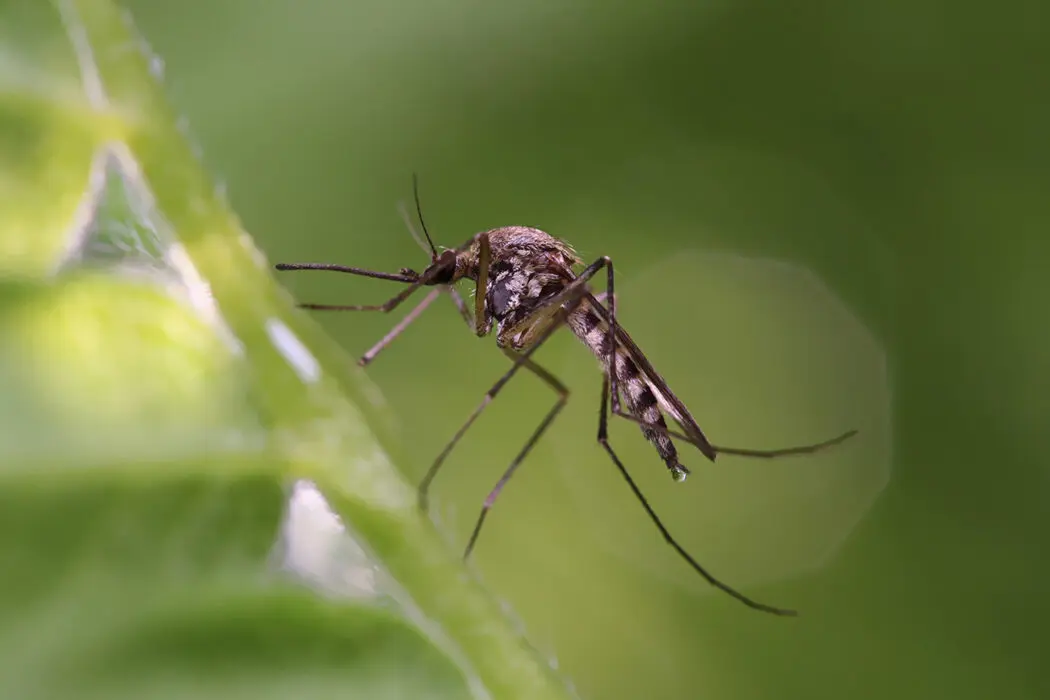
There’s nothing like planning the perfect backyard cookout only to spend the evening swatting mosquitoes instead of enjoying time with family and friends. If you live in Central Pennsylvania, you know how quickly these pests can take over once the weather warms up.
So, when do mosquitoes come out in PA? When is the mosquito population at its worst, and when can you finally enjoy your outdoor spaces without worrying about itchy mosquito bites?
In this guide, we’ll break down the typical mosquito season in Pennsylvania, explain why it changes from year to year, and share practical ways to keep your yard more comfortable. At JHL Turf Pros, we help homeowners across Central PA manage mosquitoes every season, so we know just how much weather and local conditions can affect mosquito activity.
After a few days of rain followed by warm weather, it’s only a matter of time before mosquitoes show up, and mosquito season starts in Central PA.
When Do Mosquitoes Come Out in PA?
Mosquitoes don’t simply appear because the calendar says it’s spring. Their activity depends largely on temperature and on where they are in their life cycles.
Once air and soil temperatures consistently reach about 50°F, dormant mosquito eggs begin to hatch, and adult mosquitoes become active. In Central Pennsylvania, that usually happens sometime in April, although a particularly warm spring can bring mosquitoes out even earlier.
Rainfall also plays a major role. Female mosquitoes lay their eggs in stagnant water, so even a few days of spring rain can create ideal breeding conditions in bird baths, clogged gutters, flowerpots, children’s toys, or low spots in the yard.
That combination of warm weather and standing water is what really signals the beginning of mosquito season.
We’ve seen mosquito season start earlier in some recent years, particularly after mild winters and warm, wet springs. In Central Pennsylvania, weather is still the biggest factor, so the exact timing changes from year to year.
When Is Mosquito Season in Pennsylvania?
For most homeowners, mosquito season in Pennsylvania runs from April or May through October.
Here’s what the typical season looks like:
- Spring (April–May): Mosquitoes begin emerging as temperatures rise.
- Summer (June–August): Populations grow rapidly, especially after periods of rain.
- Fall (September–October): Activity gradually slows as temperatures cool.
- First Hard Frost: Most adult mosquitoes die off, bringing the season to an end.
Lower elevations and warmer parts of southeastern Pennsylvania often see mosquitoes earlier than higher elevations or mountain communities. Across Central PA, wooded neighborhoods, properties near streams, ponds, and areas with poor drainage typically experience heavier mosquito pressure than more open, dry landscapes.
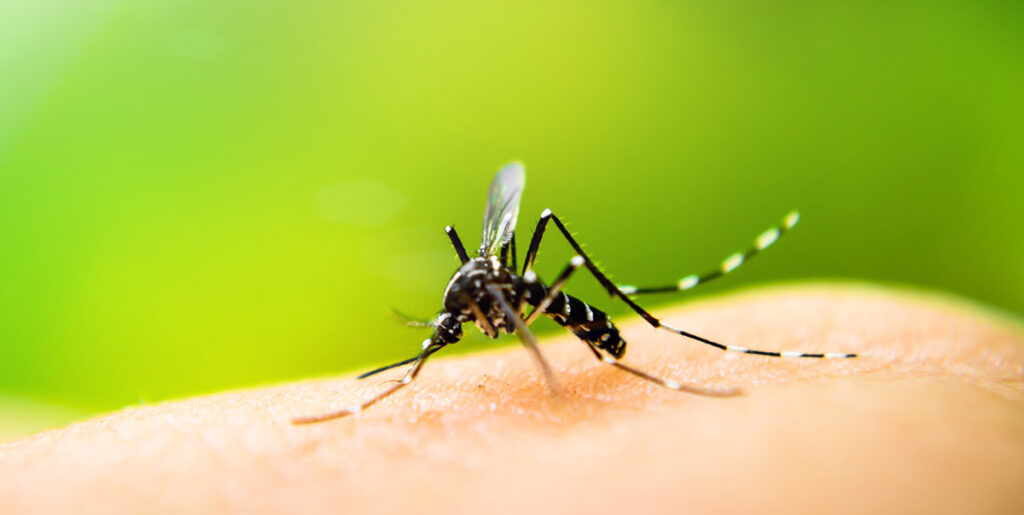
Several mosquito species are common throughout the United States, and Pennsylvania is home to several of them, including the yellow fever mosquito. Different species have slightly different habits, but nearly all of them rely on standing water to complete their life cycles.
The yellow fever mosquito is worth knowing about because it doesn’t follow the usual dawn-and-dusk pattern. While most mosquitoes wait for the cooler hours around sunrise and sunset, this species readily bites during the day, both indoors and outdoors, with activity peaking in the couple of hours after sunrise and again before sunset. That means staying inside during the brightest part of the afternoon isn’t enough protection against every species you might encounter in your yard.
When Are Mosquitoes Most Active?
Although mosquitoes are present throughout much of the summer, July and August are usually their busiest months in Pennsylvania.
Warm weather, high humidity, and frequent summer rainstorms create nearly perfect breeding conditions. During these months, mosquito populations can increase dramatically in just a matter of days.
Mosquitoes are also creatures of habit when it comes to feeding. Peak mosquito hours tend to fall during early morning, evening, and cloudy or overcast times of day. They generally avoid the hottest, brightest part of the afternoon because direct sunlight and heat can dry them out.
Humidity is another major factor. A warm, humid evening after a rainstorm often creates ideal conditions for mosquitoes, especially when winds are calm.
We’ve been asked, “What’s the biggest trigger you notice on the properties you service, humidity, standing water, or something else?” Humidity is the biggest trigger we see in Central PA. After a stretch of warm, humid weather, insects like mosquitoes, ticks, and many lawn pests become much more active. Standing water certainly increases mosquito breeding, but even damp lawns, shaded areas, and heavy morning dew can create ideal conditions.
When Does Mosquito Season End in PA?
Most people notice mosquito numbers dropping in October, but the season doesn’t officially end until the first hard frost.
Once temperatures remain below freezing, adult mosquitoes can no longer survive. However, that doesn’t mean mosquitoes disappear completely.
Many mosquito species lay eggs that survive through the winter, waiting for warmer weather the following spring. That’s why mosquito problems often return to the same properties year after year if breeding areas aren’t addressed.
Why Mosquito Season Changes Every Year
No two mosquito seasons are exactly alike. Several factors influence how early mosquitoes appear, how severe the season becomes, and how long they stick around. These factors include spring rainfall, temperature swings, high humidity, standing water around the property, nearby ponds, creeks, or wooded areas, as well as poor drainage and clogged gutters.
Longer stretches of warm weather have also contributed to extended mosquito seasons in some years, making consistent protection even more important. Mosquito borne diseases are also a growing concern nationwide, which is why organizations like the Centers for Disease Control and Prevention track mosquito activity and offer guidance on reducing exposure.
Because conditions vary so much from one season to the next, treatment schedules should be based on current weather patterns and local property conditions rather than fixed calendar dates.
How to Protect Your Yard All Season Long
While you can’t eliminate every mosquito in your neighborhood, you can make your property much less inviting.
Start with a few simple maintenance steps to help reduce mosquito activity around your property:
The Environmental Protection Agency also offers helpful resources on safe and effective mosquito control methods for homeowners. While DIY sprays, candles, and citronella products may provide temporary relief, they rarely offer consistent protection throughout the entire season, especially during peak mosquito months.
For homeowners who want to enjoy their yard without constantly fighting mosquitoes, professional mosquito control provides longer-lasting protection.
JHL Turf Pros offers a mosquito control add-on that works alongside our popular 5 and 7 Step Lawn Treatment Plans, helping reduce mosquito populations around your home so you can spend more time outside comfortably.
Stay Ahead of Mosquito Season
Mosquito season in Pennsylvania generally runs from April through October, with peak activity during the hottest months of summer before tapering off after the first hard frost.
The key to enjoying your yard isn’t waiting until mosquitoes typically become a problem. It is getting ahead of the season before populations explode.
If you’re ready to spend more time outdoors without constantly swatting bugs, ask JHL Turf Pros about adding professional mosquito control to your lawn care program.
Don’t wait for the swarm! Get ahead of mosquito season with JHL Turf Pros’ Mosquito Control add-on.