
If you live in Central Pennsylvania, tick checks should be part of your routine whenever you spend time outdoors. Pennsylvania consistently ranks among the states with the highest number of Lyme disease cases each year, making tick awareness especially important for homeowners, families, and pet owners.
The good news is that a thorough tick check only takes a few minutes and can significantly reduce your risk of tick borne illnesses. While JHL Turf Pros tick control treatments help reduce tick populations around your property, personal tick checks remain an essential layer of protection. Here’s how to perform a complete tick check after spending time outside.
Why Tick Checks Matter (Especially in Pennsylvania)
Ticks are common throughout Central Pennsylvania, particularly in wooded areas, tall grass, leaf litter, and even well maintained backyards. Blacklegged ticks (also called deer ticks) can carry Lyme disease, along with other illnesses such as anaplasmosis and babesiosis.
One of the most important reasons to perform a tick check is timing. In many cases, a tick must remain attached for an extended period before Lyme disease transmission becomes likely. Finding and removing a tick promptly can greatly reduce your risk of getting bitten by a tick and developing a tick borne illness.
Even if your property receives professional tick treatments, wildlife and pets can still introduce ticks into your yard. That’s why combining yard protection with routine tick checks provides the best defense for every area where ticks might be hiding.
When Should You Do a Tick Check?
Make it a habit to perform a tick check after any outdoor activity, including yard work, gardening, hiking, walking the dog, camping, kids playing in the backyard, hunting, or fishing.
The best time to check is immediately after coming indoors. Before showering, inspect yourself and your clothing carefully. Then take a shower, which may help wash away unattached ticks before they have a chance to bite. According to the CDC, showering within two hours of coming indoors is one of the simplest ways to lower your risk of tick bites.
Creating a consistent routine makes it much easier to catch ticks before they’ve been attached for long.
How to Check Yourself for Ticks
Perform your tick check in a well lit room using a full length mirror or a handheld mirror.
- Inspect your clothing first. Ticks often crawl on clothing before attaching to your skin, so remove your clothes and check areas such as pant legs, socks, waistbands, shirt cuffs, jackets, and hoodies. Place clothing in a dryer set to high heat for at least 10 minutes to help kill any hidden ticks. The CDC notes that tumble drying clothes on high heat for 10 minutes is an effective way to kill ticks on dry clothing.
- Use a mirror to check hard to see areas. Some parts of your body can be difficult to inspect on your own, so use mirrors or ask a family member to help check areas such as your back and scalp.
- Follow a systematic head to toe routine. Take your time and carefully check each part of your body in the same order every time, including your hair and scalp, around and inside your ears, neck, underarms, waistband area, belly button, groin area, behind your knees, between your toes, ankles, back, and shoulders. Checking in a consistent order helps prevent missed spots.
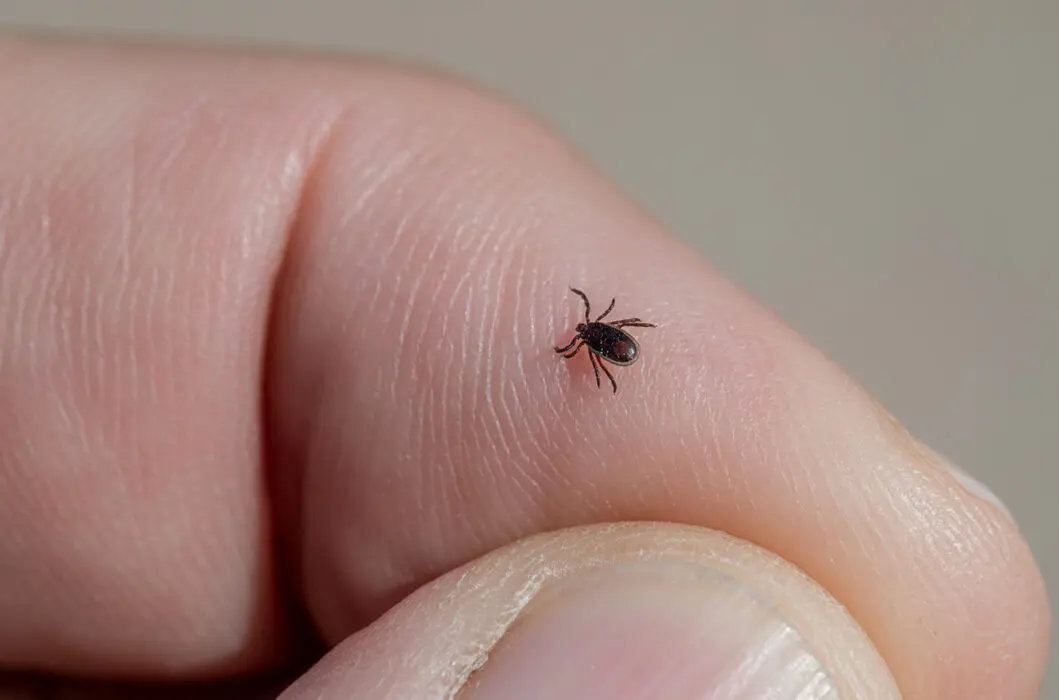
- Feel for small bumps on your skin. Young ticks, called nymphs, can be as small as a poppy seed, so run your fingertips over your skin to feel for tiny bumps that may be difficult to see.
- Inspect your gear and personal items. Ticks can hitch rides on more than just people, so check items such as backpacks, hats, blankets, lawn chairs, sports equipment, and pet leashes. Removing ticks from your gear can help prevent them from entering your home.
How to Check Kids and Pets for Ticks
Kids are more likely to pick up ticks because they spend a lot of time playing on the ground or in grassy and wooded areas. When checking a child for ticks, pay close attention to the hairline, scalp, behind the ears, back of the neck, underarms, and around the waistband, as these are common places where ticks can hide. Because young children often cannot inspect themselves thoroughly, it is important for an adult to help perform a careful tick check after they have been outdoors.
Dogs and cats can carry ticks into your home, even if the tick never bites the pet. Check your pets carefully, especially around the ears, collar area, between the toes, under the legs, the base of the tail, and around the eyes. Using regular tick prevention products recommended by your veterinarian can provide an additional layer of protection.
What Does a Tick Look Like?
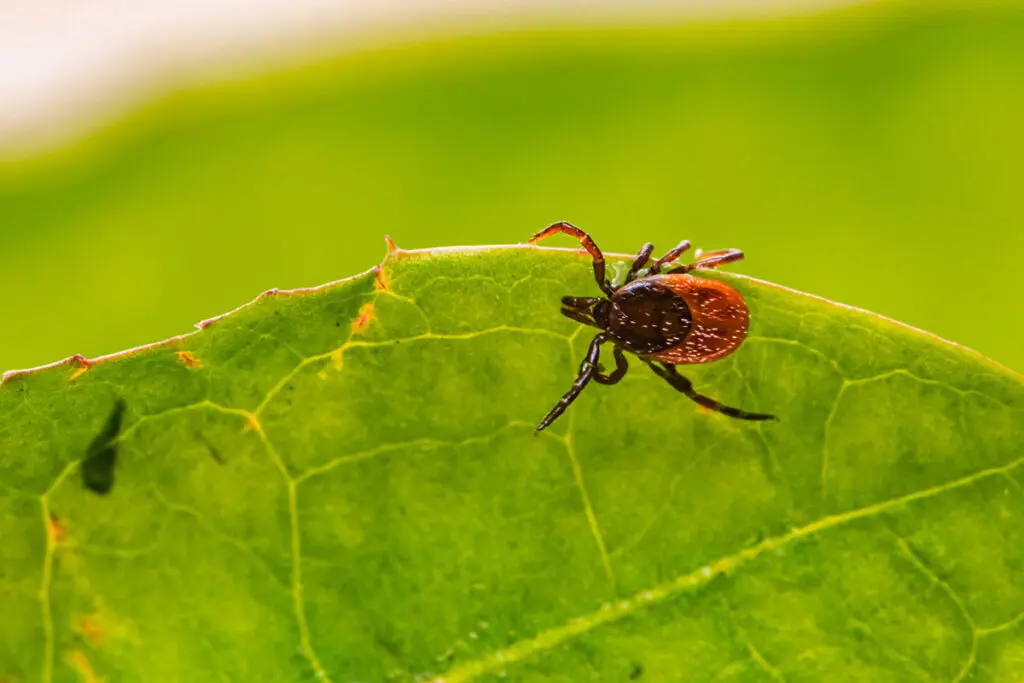
Ticks can change in appearance depending on their life stage. Nymphs are about the size of a poppy seed and are very difficult to spot. Adult ticks are roughly the size of a sesame seed before feeding. After feeding, engorged ticks swell significantly and may appear gray, tan, or bluish. Because nymphs are so small, they are often mistaken for freckles, dirt, small scabs, or skin blemishes. Careful inspection and checking your skin with your fingertips can be more effective than relying on sight alone.
What to Do If You Find a Tick
If you discover an attached tick, use fine tipped tweezers to grasp the tick as close to the skin as possible and pull it upward slowly and steadily without twisting. After removing the tick, clean the bite area with soap and water or rubbing alcohol. Avoid common myths such as burning the tick, covering it with petroleum jelly, or applying nail polish, as these methods can make removal more difficult and won’t help kill ticks any faster. Over the next several weeks, monitor for symptoms such as a rash, fever, fatigue, or joint pain. If any symptoms develop or you have concerns about the bite, contact your healthcare provider. For step by step product instructions on removal and disposal, the CDC’s tick removal guidance is a helpful reference. This information is intended for educational purposes and should not replace medical advice.
Reduce Tick Exposure Before You Even Need a Tick Check
A few simple yard maintenance practices can help make your property less attractive to ticks. Keep grass mowed regularly, remove leaf litter, trim overgrown brush, create mulch or stone borders between wooded areas and your lawn, and limit wildlife habitat near outdoor living spaces.
Personal protection also plays an important role in reducing tick exposure. Wear light colored clothing, tuck pants into socks when walking through tall vegetation, use EPA approved tick repellents containing DEET or picaridin, and stay on established trails whenever possible. The EPA’s repellent search tool can help you choose a DEET or picaridin product that also protects against mosquito bites.
For even greater protection, professional tick control treatments can target ticks where they live and breed, helping reduce tick populations throughout your yard.
Frequently Asked Questions
While transmission time varies depending on the disease and tick species, prompt removal greatly lowers the risk. That’s why same day tick checks are recommended.
Yes. Nymph ticks can be as small as a poppy seed, making them easy to overlook without a careful inspection.
Yes. Showering may remove unattached ticks, but you should still inspect your entire body afterward since attached ticks won’t wash away.
Absolutely. Ticks are commonly found in backyards, landscaped beds, tall grass, and along wooded property edges, not just deep forests.
A thorough tick check only takes a few minutes, but it can make a big difference. Check yourself the same day after spending time outdoors, inspect your clothing and gear, don’t forget your kids and pets, and remove any ticks promptly. For even better protection, pair your personal tick checks with professional yard treatments. JHL Turf Pros’ Tick Control Service helps reduce tick populations where they live and breed, giving your family another layer of defense throughout tick season.
Ready to enjoy your yard with greater peace of mind? Visit JHLlturfPros.com to learn more about our Tick Control service or get a quote today to see how JHL Turf Pros can help protect your property.