

You know the scene: You’re enjoying a backyard cookout when the mosquitoes come out. Somehow, one person is swatting at their arms every few seconds while someone sitting right next to them barely gets a bite. So, what gives?
The answer comes down to several factors, including your body chemistry, the way mosquitoes see you, and the scents around you. The good news is that understanding what attracts mosquitoes can help you make your yard less inviting and reduce the number of bites you get.
Timing matters too. Mosquitoes tend to be most active during certain hours and times of year, so if you’re in Central Pennsylvania, knowing when mosquitoes come out in PA can help you plan cookouts, yard work and evenings outside around their peak activity, rather than right into it.
What Attracts Mosquitoes to You?
Mosquitoes aren’t randomly landing on people. Female mosquitoes actively search for a blood meal, using several cues to locate their targets.
One of the biggest is carbon dioxide (CO₂). Every time you breathe, you release CO₂, which mosquitoes can detect from a distance. As they get closer, they also use other signals, including body heat and odors from your skin. The CDC notes that mosquitoes have sensory organs that help them detect carbon dioxide and odors associated with potential hosts.
Sweat can also make you more noticeable. Compounds associated with perspiration and skin chemistry, including lactic acid, can contribute to mosquito attraction. Your individual skin microbiome may play a role, too, which helps explain why mosquitoes seem to prefer some people over others.
Blood type may also influence mosquito attraction in some species, with research suggesting that people with type O blood can be more attractive to certain mosquitoes. However, it isn’t as simple as having a particular blood type and automatically becoming a mosquito magnet. Other factors matter, too.
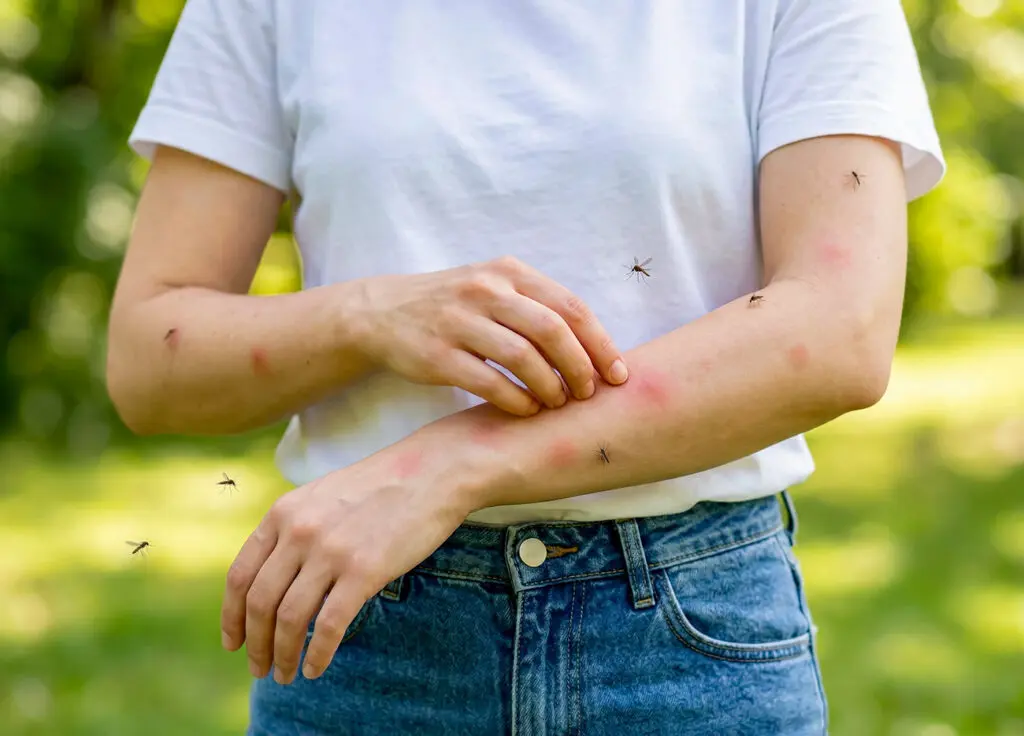
What Colors Attract Mosquitoes?
If you’ve ever wondered what colors attract mosquitoes, your clothing choices may make a difference.
Mosquitoes use both smell and vision when locating a host. Research has found that certain colors, including red, black and darker shades, can become more visually attractive to mosquitoes after they detect carbon dioxide.
That doesn’t mean wearing a black shirt guarantees you’ll get bitten, but choosing lighter-colored clothing can be a smart step when you’re spending time outside.
For yard work or an evening gathering, choose light colors such as white, khaki or pastels. Long sleeves and pants provide another layer of protection, especially during periods of high mosquito activity.
What Smells Do Mosquitoes Hate?
Search online for what smells do mosquitoes hate, and you’ll find plenty of recommendations for essential oils and household ingredients.
Citronella, lavender, eucalyptus, peppermint, garlic and clove are commonly mentioned as mosquito-deterring scents. Some plant-based oils have shown repellent properties in studies, but their effectiveness varies based on the mosquito species, concentration and how the product is applied.
That’s an important distinction. A citronella candle or essential-oil spray may help reduce mosquito activity in a small area for a limited time, but it shouldn’t be considered a complete mosquito-control solution.
The CDC specifically notes that the effectiveness of many non-EPA-registered natural mosquito repellents is unknown.
So, if you’re wondering what scents do mosquitoes hate, natural scents can be part of your strategy—but don’t expect a few drops of peppermint oil to solve a serious mosquito problem.
Yard Conditions That Invite Mosquitoes
Sometimes the biggest mosquito attractant isn’t you. It’s your yard.
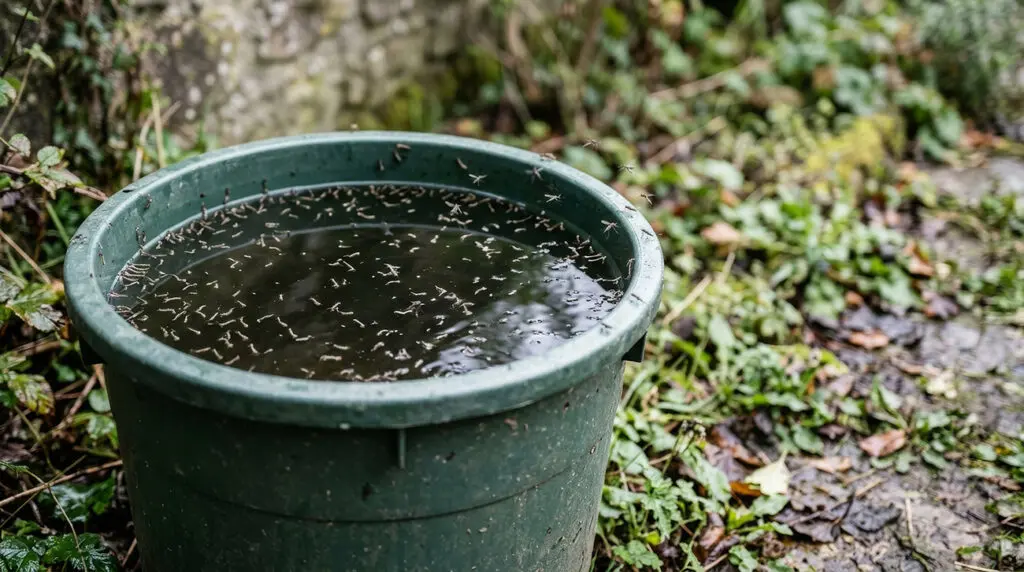
Mosquitoes need water to reproduce, so standing water around your property is one of the first things to look for. Check birdbaths, buckets, flowerpot saucers, clogged gutters, children’s toys and other containers that can collect rainwater. The CDC recommends regularly emptying, scrubbing, covering or removing items that hold water.
Mosquitoes also tend to hang out in cool, shady and damp areas. Overgrown vegetation, tall grass, dense shrubs and accumulated yard debris can provide places for adult mosquitoes to rest during the day.
Keeping your property maintained won’t eliminate mosquitoes, but a well-maintained yard gives them fewer favorable hiding spots. Regular lawn maintenance services can help keep grass and vegetation healthy and manageable.
When DIY Isn’t Enough: Professional Mosquito Control
Candles, sprays and eliminating standing water can all help, but they may not be enough when mosquito pressure is high.
Professional mosquito treatments are designed to target the areas where mosquitoes rest and can provide more consistent protection around the places you actually use—such as patios, lawns, landscaping and outdoor entertaining areas.
At JHL Turf Pros, we’ve spent 30 years working on lawns and outdoor spaces throughout Central Pennsylvania. Our team includes PA Certified Pesticide Applicators, giving us the training and experience to approach mosquito and outdoor pest treatments professionally.
If mosquitoes are keeping you from enjoying your yard, learn more about mosquito control and outdoor pest control options.
Stop Letting Mosquitoes Ruin Your Yard
Knowing what attracts mosquitoes can help you avoid bites, but you don’t have to spend every summer evening fighting them.
Ready to enjoy your yard again? Get a free quote from JHL Turf Pros and let our Central PA team help you spend less time swatting mosquitoes and more time enjoying the outdoors.