
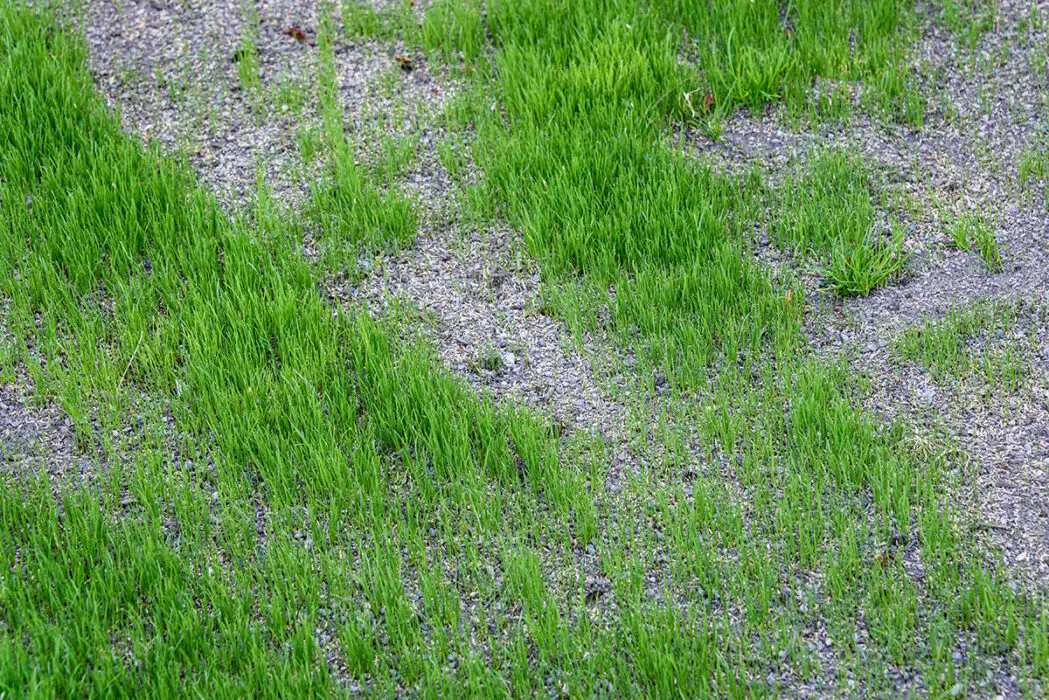
If your yard looks thin, patchy, or tired, overseeding might be the simplest fix. What is overseeding? It’s the process of spreading new grass seed over an existing lawn to make it thicker, greener, and more resilient without starting from scratch. In this guide, we’ll break down overseeding lawn meaning, when it’s time to overseed your lawn, why it works, and how Central PA homeowners can get better results from their lawn care routine.
What Overseeding Actually Is (and Isn’t)
Overseeding a lawn means adding new grass seed into an existing lawn to fill in bare spots, thin areas, and worn patches. It’s not the same as reseeding, which usually involves tearing out old grass and starting over. Overseeding vs. reseeding comes down to refresh versus rebuild.
For cool-season grasses in Central Pennsylvania, such as Kentucky bluegrass and perennial ryegrass, overseeding is a practical way to repair damage from weather, foot traffic, and seasonal stress. It also gives you the opportunity to introduce improved grass varieties over time. Think of overseeding as routine lawn care maintenance, not just something you do when your lawn looks bad.
The Benefits of Overseeding Your Lawn
The benefits of overseeding go beyond just filling in thin spots. A thicker lawn naturally crowds out weeds, holds color longer through seasonal stress, and recovers faster from heat and heavy use. Overseeding also lets you refresh your grass varieties without a full renovation, which keeps your existing lawn intact while gradually improving its density and resilience.
How often to overseed a lawn depends on how much wear it gets. Lawns with heavy foot traffic, lots of sun, or poor soil may benefit from overseeding every year or two. Lower-stress lawns might only need it every few seasons. A regular overseeding schedule keeps your lawn consistently full and healthy over time.
Signs It’s Time to Overseed Your Lawn
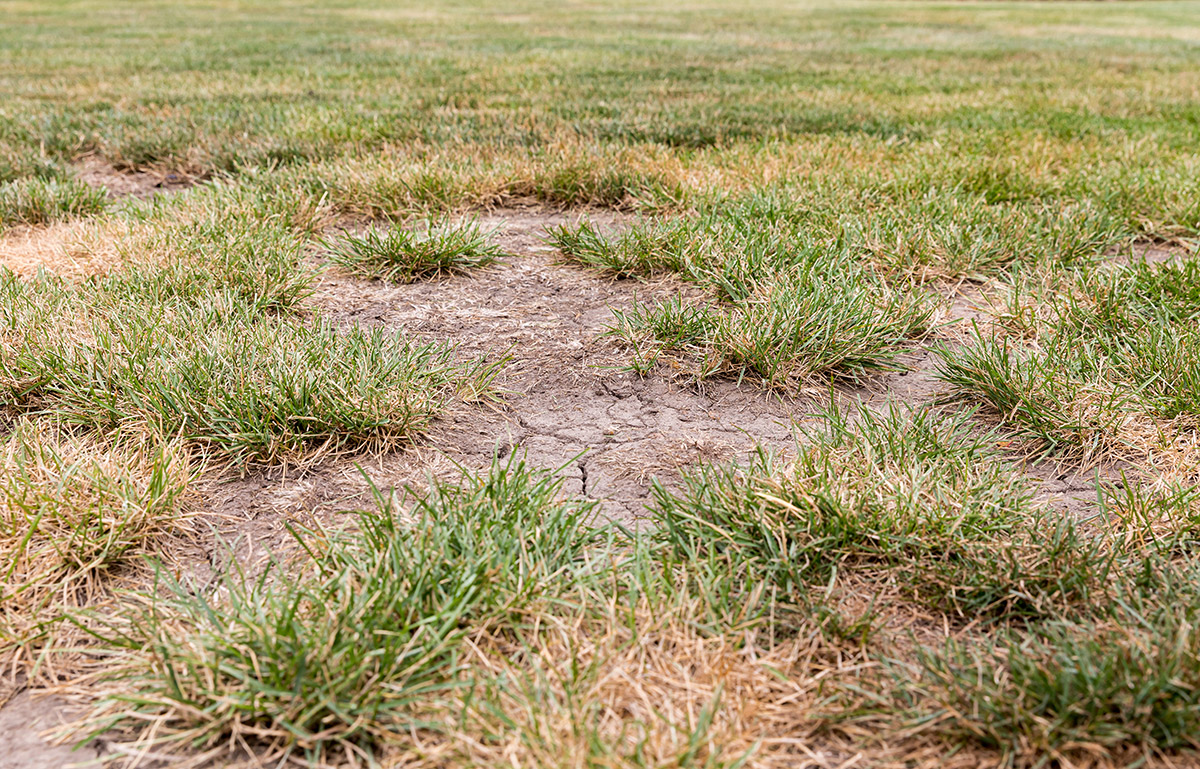
Some lawns practically tell you when they need help. If you can see more soil than grass in certain areas, that’s a clear sign. Thin patches in sunny or high-traffic spots tend to invite weeds and allow cool season grasses to struggle during warm season stress.
Other clues include grass that doesn’t bounce back after summer heat, color that looks dull even after fertilizing, and bare spots that keep returning despite basic lawn care. Late summer into early fall is the ideal time to take a closer look and plan ahead.
How to Check Your Lawn and Prep for Overseeding
Before jumping into overseeding step by step, evaluate what you’re working with. Walk your yard and note where you can easily see soil between grass blades. Those are the areas that need the most attention.
Next, check soil compaction by pushing a screwdriver into the ground. If it’s hard to get in, the soil is likely compacted and overseeding after aeration will produce far better results. Good seed to soil contact is one of the most important factors in successful seed germination, and aerating before you spread grass seed dramatically improves that contact.
Best Time to Overseed in Central PA
Timing matters a great deal. The best time to overseed in Pennsylvania is late summer to early fall, when temperatures are cooler but the soil is still warm enough to support seed germination. Early fall gives cool season grasses like Kentucky bluegrass and perennial ryegrass time to establish before winter sets in.
Avoid overseeding during extreme heat, drought, or frozen ground conditions. Many Central PA lawn care professionals combine aeration, overseeding, and fertilization into one visit in early fall. This approach maximizes seed to soil contact, supports strong root development, and sets your lawn up for its best performance going into the next season.
How to Overseed a Lawn the Right Way
Good prep makes all the difference. Start by mowing your existing lawn shorter than usual and bagging the clippings so grass seed can reach the soil more easily. If needed, use power rakes or a core aerator before applying seed to loosen the surface and improve contact.
Use a broadcast or drop spreader and follow the recommended rate on the grass seed label. For even coverage, make two passes at half-rate in opposite directions. After spreading, lightly rake the area to further improve seed to soil contact. Success with overseeding isn’t about putting down more seed. It’s about proper prep, even coverage, and consistent aftercare.
Caring for Your Lawn After Overseeding
Watering after overseeding is critical. Keep the soil consistently moist with light, frequent watering until new grass begins to establish. Once seedlings are growing, gradually transition to deeper, less frequent watering to encourage strong root development.
Hold off on mowing until new grass reaches the recommended height for its grass variety. Avoid most weed control products during early growth, as they can damage young seedlings. If your plan includes overseeding and fertilizing, use a starter fertilizer to support seed germination and early development without overwhelming new growth. Patience in the first few weeks determines how well your lawn performs for seasons to come.

When to Hire a Pro to Overseed Your Lawn
Some lawns are harder to handle on your own. Large yards, uneven terrain, or slopes make it difficult to spread grass seed evenly. If you’ve tried to overseed your lawn before and didn’t see results, there may be deeper issues like compaction, poor soil, or the wrong grass varieties for your conditions.
Professional overseeding services also help when timing is critical, especially if you want to coordinate aeration, overseeding, and fertilization in a single visit. A local expert can deliver better coverage, use high-quality seed matched to Central PA conditions, and take the guesswork out of the process.
Trust JHL Turf Pros for Expert Overseeding and Lawn Care
JHL Turf Pros provides overseeding, aeration, fertilization, and soil testing for homes, businesses, and athletic fields across Central PA. Our tailored approach helps lawns grow thicker, greener, and more resilient year after year. Ask about seasonal programs that include overseeding cool season lawn areas and ongoing lawn care to keep your yard looking its best all season long.
Ready to Refresh Your Lawn with Overseeding?
Wondering if it’s time to overseed your lawn? Schedule a lawn evaluation with JHL Turf Pros and get a customized plan built for your Central PA property. A thicker, healthier lawn might be easier than you think.