
If you’ve been mowing every week and still watching weeds pop up, you’re not alone. Many Central PA homeowners work hard on their lawns.
But they still deal with dandelions, crabgrass, clover, and other weeds that take over. The good news is that once you understand how to get rid of weeds in grass and why they show up in the first place, you can take back control.
Weeds are more than just ugly. They compete with your grass for water and nutrients, leaving your lawn thin and patchy. Learning how to remove weeds from lawn areas starts with finding the cause, picking the right treatment, and building a stronger lawn that naturally fights weed growth on its own.
Here’s what homeowners need to know.
What’s Causing Weeds to Take Over?
Weeds rarely appear out of nowhere. In most cases, they’re a sign that your lawn is stressed, thin, or unhealthy. Once weeds find open space and good growing conditions, they spread quickly through weed seeds or underground root systems.
One of the most common causes is thin or bare patches in the grass. Healthy, dense turf naturally crowds out weeds, but damaged areas give invasive plants the perfect opening. Bare spots can develop from foot traffic, pet damage, poor drainage, drought stress, or insect activity. Once perennial weeds and annual weeds get established in these weak areas, they often spread fast.
Poor soil health also leads to ongoing weed problems. Grass thrives in balanced soil with the right nutrients and pH.
When soil becomes depleted, weeds often outperform turfgrass. Clover, for example, is especially common in lawns with low nitrogen. A soil test can identify nutrient gaps or pH problems and help determine whether fertilization or lime treatments are needed.
Improper mowing is another major factor. Cutting grass too short weakens the lawn and creates ideal conditions for weed seeds to germinate. Short grass develops shallower roots, struggles in heat, and allows more sunlight to reach weed seeds in the soil. Keeping your grass at the right height helps shade the ground and naturally prevent weeds from taking hold.
Compacted soil restricts root growth and limits access to water, oxygen, and nutrients. While turfgrass struggles in these conditions, many weeds are more adaptable and continue to thrive. Compaction is especially common in high-traffic areas and clay-heavy soils across Central Pennsylvania.
For long-term weed prevention, it’s important to address the root causes, not just treat what you can see. A professional lawn weed control service can help improve overall lawn health while targeting the reasons weeds keep coming back.

Know Your Enemy: Common Weeds in Central PA
Not all weeds behave the same way. Identifying the type of weed in your lawn helps you target specific weeds with the right control methods. Here are some of the most common weeds found in Central, PA lawns.
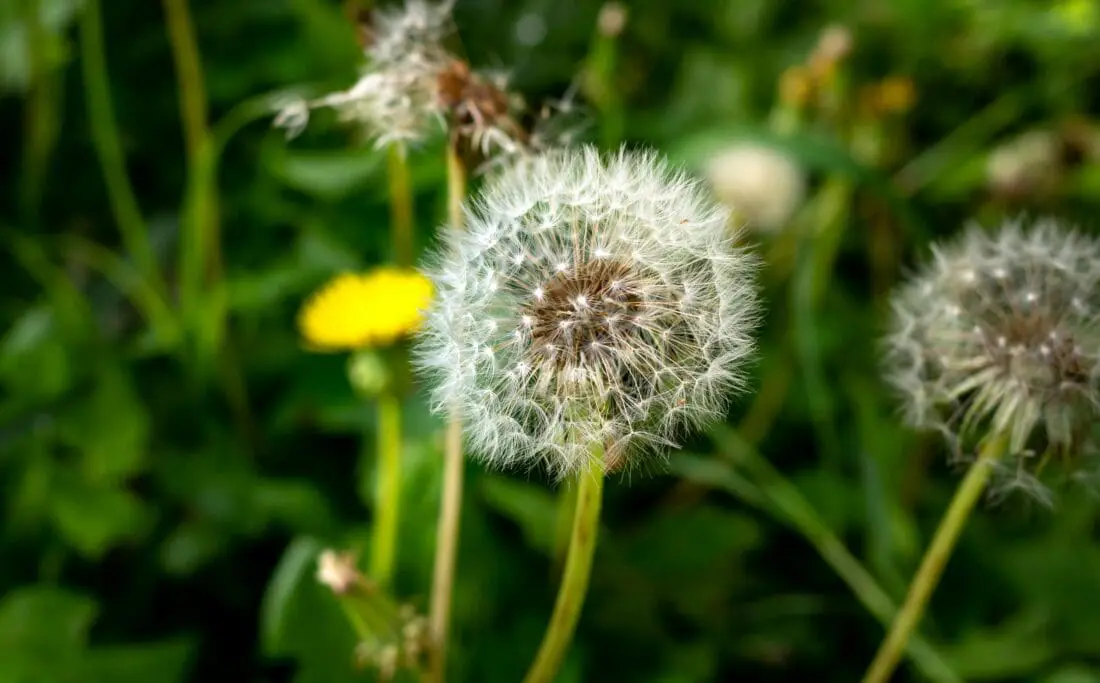
Dandelions are easy to recognize. Their deep taproots make them hard to fully remove, and they spread rapidly through airborne weed seeds. If part of the root stays behind after pulling, the weed grows back.
Crabgrass is a warm-season annual weed that thrives in summer heat. It spreads aggressively in thin lawns and bare soil areas. Because it grows from seed each spring, using pre-emergent herbicides early is usually more effective than trying to kill weeds in your lawn once crabgrass is already mature.
Clover spreads quickly in lawns with low nitrogen levels. Its presence is often a sign that your lawn needs fertilization. Selective herbicides can treat clover without harming surrounding grass.
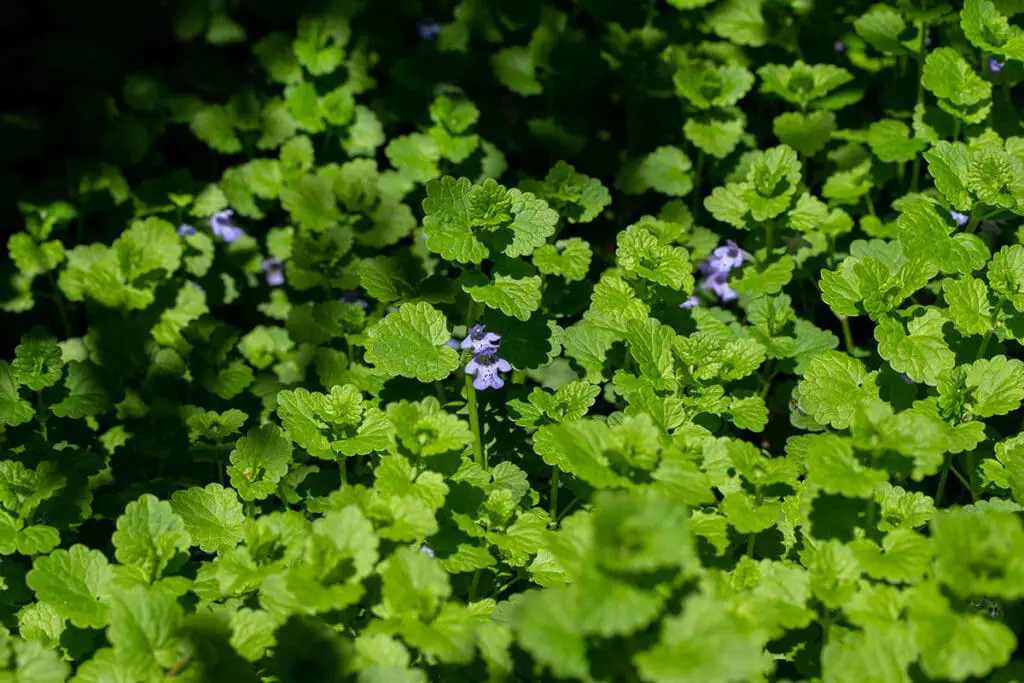
Ground Ivy (Creeping Charlie) is one of the tougher perennial weeds to eliminate. It thrives in shaded, damp areas and spreads through creeping stems that root as they grow. Without the right treatment, it can take over large sections of lawn quickly.
Chickweed appears in early spring before grass fully greens up. It grows fast in cool, moist conditions and spreads across weak turf areas.
Properly identifying the weed before you treat improves your chances of success and helps you avoid damaging your lawn with the wrong products.
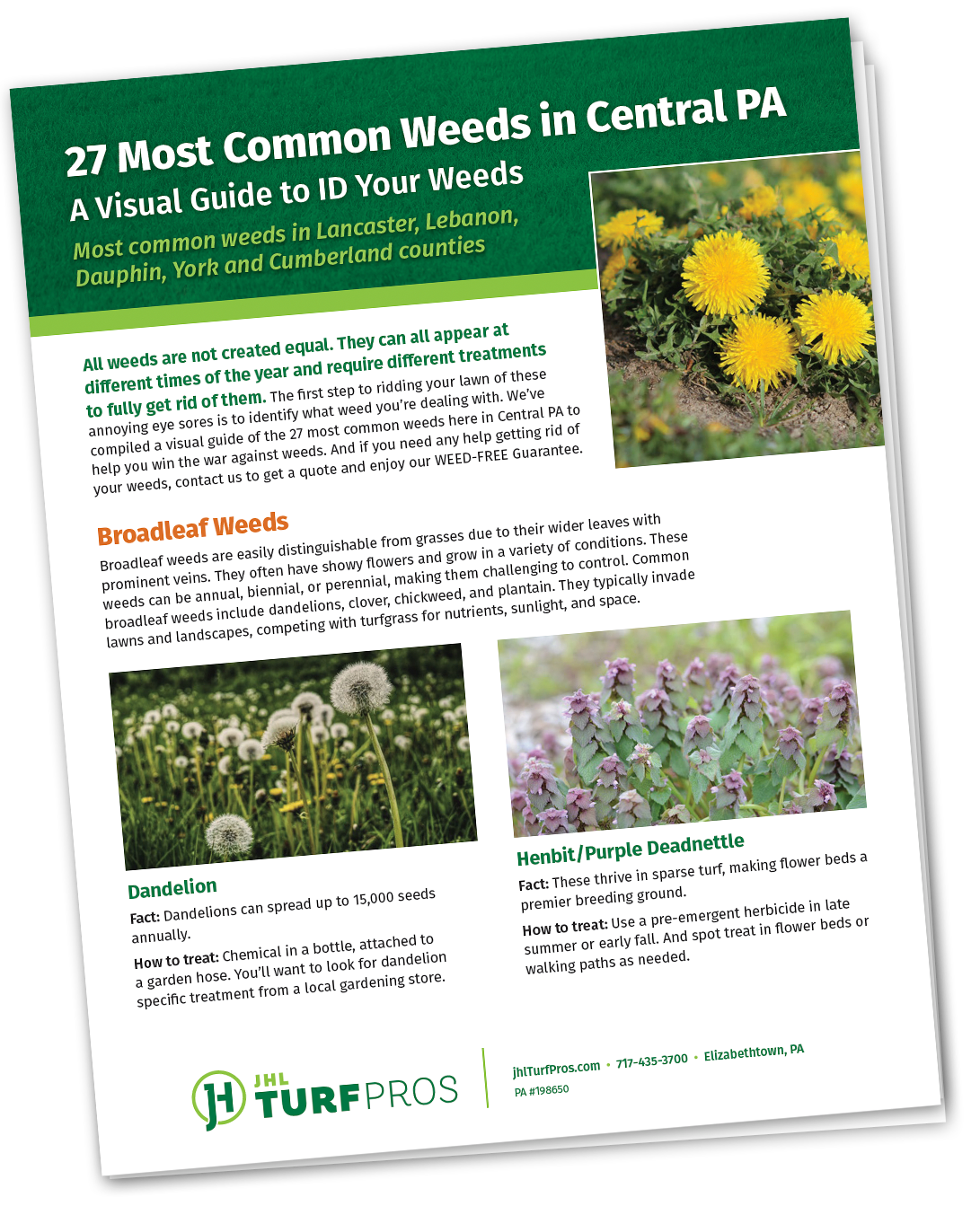
FREE VISUAL GUIDE:
27 Most Common Weeds in Central PA
Which of these weeds do you have in your lawn? Use this weed guide to identify common weeds that grow in Lancaster, Lebanon, Dauphin, York and Cumberland Counties.
How to Remove Weeds From Your Lawn
There’s no single solution that works for every situation. The right approach depends on the type of weed, how widespread the problem is, and the overall health of your lawn.
Option 1: Hand Pulling
Hand pulling works best for small infestations or isolated weeds. To get better results, pull weeds after rain when the soil is softer, remove the entire root system, and dispose of weeds before they can drop more weed seeds. This method can work well for dandelions and smaller weeds, but it becomes difficult and time-consuming for larger lawns or widespread infestations.
Option 2: Herbicide Treatments
For larger weed problems, herbicides are often the most effective control method.
Pre-emergent herbicides prevent weed seeds from germinating. They work best when applied in early spring before soil temperatures reach around 55 degrees. These treatments are especially useful for stopping crabgrass before it starts.
Post-emergent herbicides target weeds that are already growing. Some are designed for broadleaf weeds like dandelions and clover, while others target grassy weeds.
Selective herbicides kill weeds without harming your grass. Non-selective herbicides kill nearly all vegetation they contact, so they need to be used carefully. Using the wrong product or applying it incorrectly can damage your lawn, so it’s important to choose the right option for your specific situation.
Option 3: Improve Your Lawn’s Overall Health
One of the best long-term strategies to prevent weeds naturally is building a thick, healthy lawn that crowds weeds out on its own.
Lawn fertilization services strengthen grass roots and improve resistance to weed invasion throughout the growing season. A well-fed lawn makes it much harder for weeds to establish.
Aeration relieves soil compaction and improves airflow, water penetration, and root growth. For many lawns, annual aeration makes a noticeable difference in turf health and weed reduction.
Grass seeding fills in thin or bare areas where weeds commonly take hold. Combining overseeding with aeration often produces the best results for thickening a lawn the natural way.
Timing Your Weed Control in Central PA
Timing matters when it comes to controlling weeds effectively.
Early Spring: Pre-Emergent Applications
The best time to apply pre-emergent herbicides is typically between March and April, before weed seeds begin to germinate. Once weeds start emerging, pre-emergent treatments lose much of their effectiveness.
Applying early helps stop many common weeds before they ever appear and gives your lawn a stronger start heading into the growing season.
Spring and Fall: Post-Emergent Treatments
Post-emergent weed control works best when weeds are actively growing and able to absorb treatments. While spring treatments help control early weeds, fall is often best for broadleaf weeds like dandelions. During fall, weeds pull nutrients down into their root systems to prepare for winter, which also allows herbicides to move deeper into the plant for better long-term control.
Avoid Extreme Heat and Drought
Applying herbicides during intense summer heat or drought can stress your lawn and increase the risk of turf damage. Hot, dry conditions also reduce the effectiveness of many weed control products. Because Central, PA often sees early weed pressure, proactive seasonal treatments are important before weeds spread and become harder to manage.
Common Weed Control Mistakes to Avoid
Even well-intentioned lawn care habits can accidentally make weed problems worse.
Cutting grass too low weakens your lawn and exposes soil to sunlight, creating ideal conditions for weed growth. Maintaining the proper mowing height helps turf stay thick and naturally crowd out weeds.
Frequent shallow watering encourages weak grass roots while creating favorable conditions for weed seeds to germinate. Lawns benefit more from deep, infrequent watering that promotes stronger root development.
Thin or bare areas almost always become weed hotspots if left untreated. Overseeding fills those gaps with healthy grass before invasive weeds have a chance to take over.
Windy conditions can cause herbicide drift that damages flowers, shrubs, and neighboring lawns. Applying treatments during calm weather improves accuracy and reduces unintended damage.
Weed control is rarely a one-time fix. Some weeds require multiple treatments and ongoing lawn care improvements to fully eliminate. Long-term consistency is one of the biggest factors in maintaining a weed-free lawn.
When Should You Call a Professional?
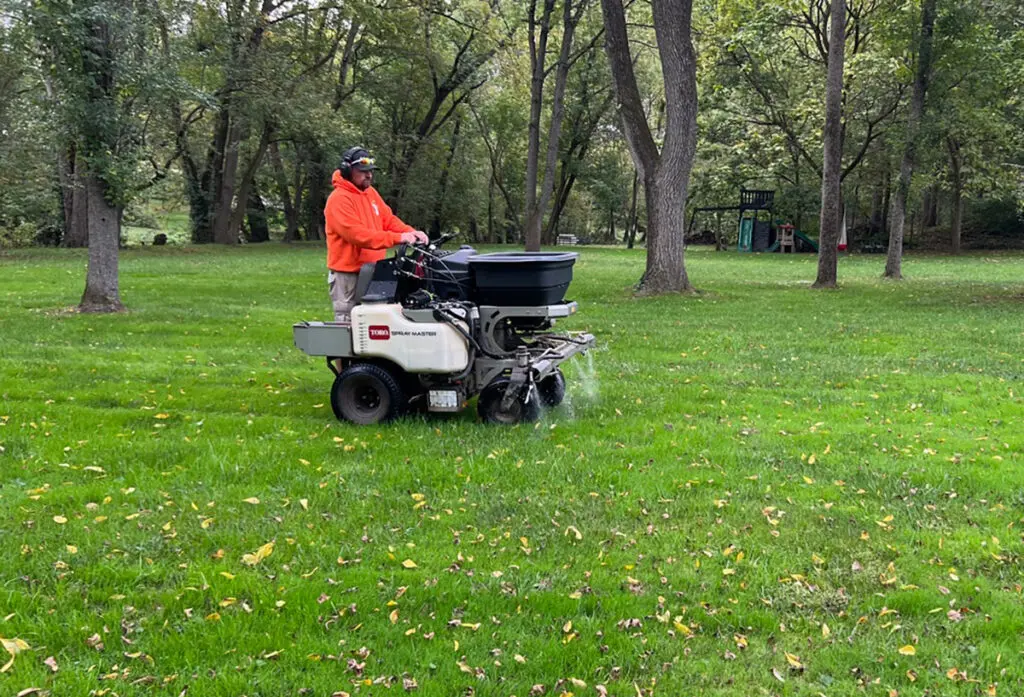
Sometimes DIY weed control isn’t enough. Professional lawn care may be the best choice if weeds return each year.
It also helps when weeds cover large parts of your lawn.
Choose this option if you are not sure what weeds you have.
It is also safer if you worry about using the wrong products.
JHL Turf Pros provides professional weed control services for homeowners throughout Central Pennsylvania. Their team understands the specific weed challenges local lawns face and can create a targeted treatment plan that protects your grass while eliminating invasive weeds.
A Healthier Lawn Starts With the Right Plan
Learning how to remove weeds from your lawn starts with understanding why they appear. Once you know what weeds you have, pick the right treatment, and improve your lawn’s health. Weed problems become easier to manage over time.
The most effective strategies combine proper lawn maintenance, seasonal weed treatments, fertilization, aeration, overseeding, and consistent long-term care. A healthy, thick lawn naturally becomes more resistant to weeds season after season, reducing the need for constant intervention.
Tired of fighting weeds every season?
JHL Turf Pros offers professional weed control services for homeowners across Central PA. Get a free quote today and let the experts handle the hard work so you can enjoy a lawn you’re proud of.