
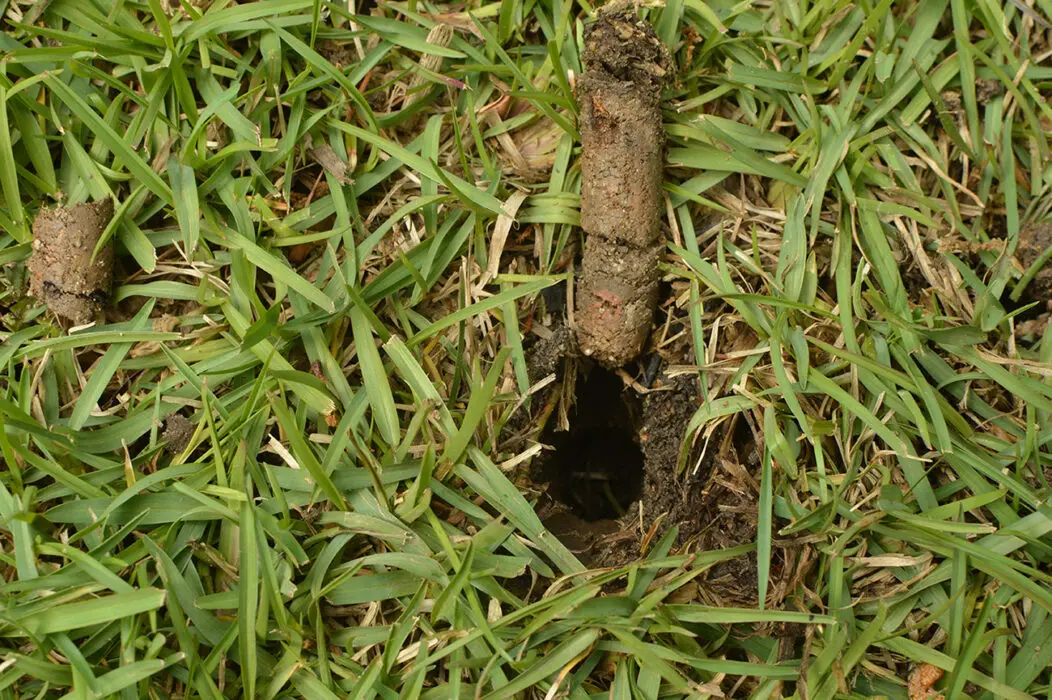
What is aeration? It is the process of pulling small cores of soil from your lawn surface with a mechanical aerator. These openings let air, water, and nutrients move deeper into the root zone where grass roots grow. Without this treatment, compacted soil blocks oxygen and moisture and turf starts to thin. Consistent core work keeps roots strong and supports a dense, healthy lawn that can handle traffic and summer stress. It is one of the most important lawn care practices for any home in Lancaster.
Why Is Lawn Aeration Important?
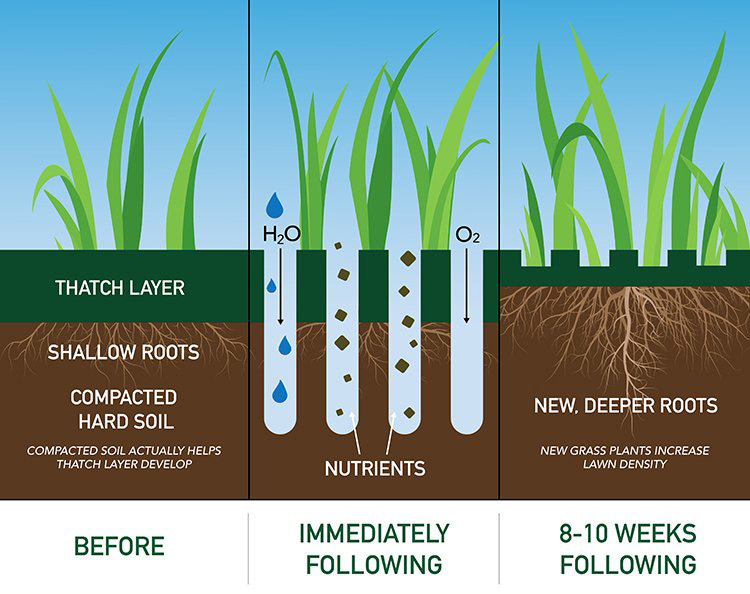
Once you understand this process, the benefits for your yard become clear. It relieves soil compaction that builds up from mowing, kids, pets, and equipment. Those core holes create channels so roots can grow deeper and anchor more firmly.
Better airflow also changes how water moves through the soil profile. Instead of running off and forming puddles, more water infiltrates and reaches the root zone. As a result, fertilizer and natural nutrients move evenly through the soil. You see thicker turf, stronger plants, and better drought tolerance during hot Lancaster summers. When you regularly aerate your lawn, every other part of your lawn care program works better.
Signs Your Lawn Needs Aeration
You do not need lab tests to know when your lawn needs help. The turf usually reveals soil compaction and thatch issues long before you lose the entire yard. Understanding how this process works makes these warning signs easier to spot.
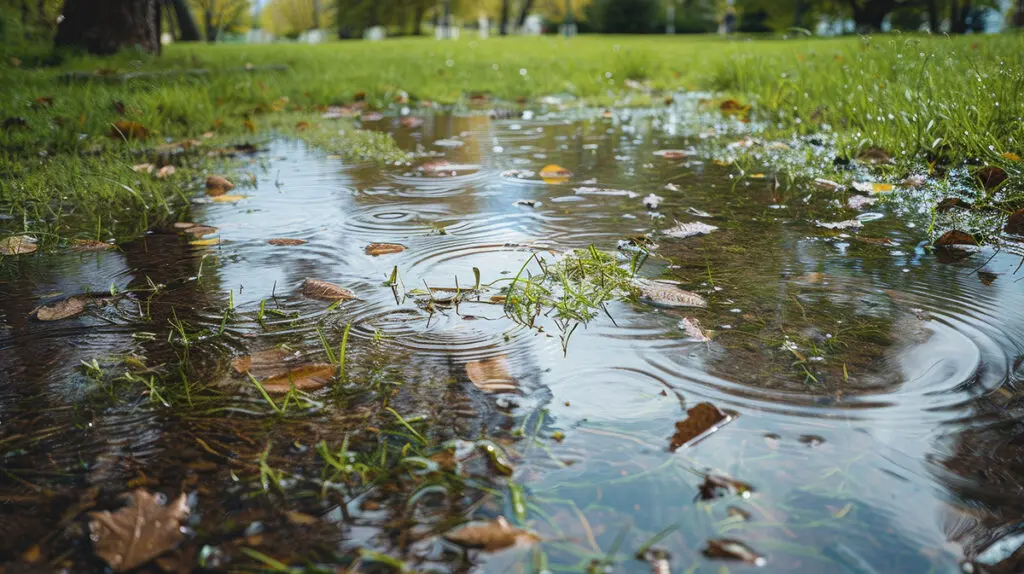
Watch for poor water drainage where puddles linger after rain or irrigation. Feel for spongy grass and a thick thatch layer near the soil line. Try pushing a screwdriver into the ground. If it barely penetrates, the soil is probably compacted. High traffic paths that look thin or pale are another clear clue. When you see several of these symptoms together, it is time to aerate your lawn and restore healthy grass growth.
Types of Lawn Aeration Methods
Once you start exploring lawn care in more detail, you will see there are several ways to open the soil. Each method has pros and cons, and not every technique solves deep compaction problems.
Core Aeration (Plug Removal)
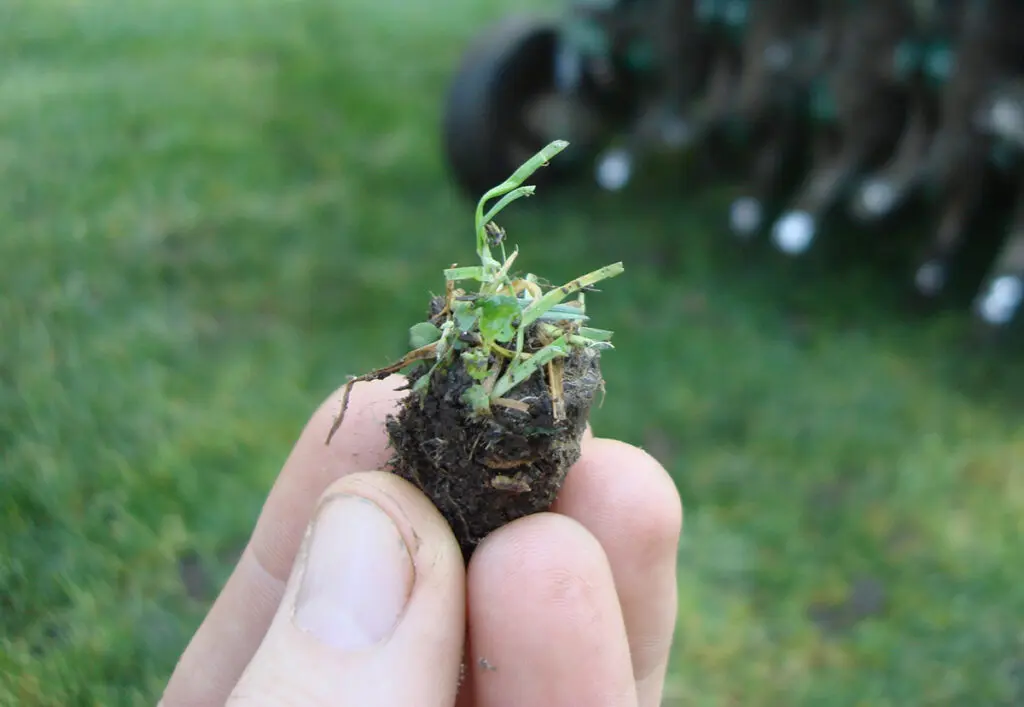
This approach uses hollow tines to pull soil plugs from the ground. It removes material and creates deep, long lasting channels for air, water, and nutrients.
Spike Aeration
Spike tools use solid tines that punch holes without removing soil. They can loosen light surface compaction in small areas but do little for dense clay.
Liquid Aeration
Liquid products rely on soil conditioners that help loosen structure over time. They work best as a supplement to core work instead of a stand alone fix. For most Lancaster lawns, a plug style machine is the most effective choice to aerate your lawn for sustained root growth and better drainage.
Best Time to Aerate Your Lawn
Knowing when to schedule this service for your grass type matters as much as the method you use. Cool season grasses such as tall fescue, Kentucky bluegrass, and perennial ryegrass respond best in early fall or spring. Warm season grasses like Bermuda, zoysia, and St. Augustine prefer late spring into early summer.
In Pennsylvania, most home lawns are cool season, so fall work is usually ideal. Soil remains warm, roots stay active, and weed pressure begins to decline. That combination helps your lawn heal quickly and thicken before winter. Aim to aerate your lawn when soil is moist but not saturated so the machine can pull clean plugs. Many homeowners pair fall core work with overseeding to improve seed to soil contact and boost lawn density as part of a yearly lawn care plan.
DIY vs. Professional Aeration
When you first hear the term, you may also wonder whether to handle the task yourself. DIY work can succeed on smaller lawns if you rent an aerator or use a manual core tool. This approach lowers cost, but it takes more time and may not pull deep, consistent plugs in compacted clay.
Professional crews use commercial grade machines that penetrate deeper and cover large areas quickly. A trained lawn care team can assess soil compaction, thatch buildup, and thin spots, then recommend overseeding or fertilization at the same visit. For larger properties or severe compaction, hiring a professional to aerate your lawn usually delivers better long term results and a more resilient yard.
What to Do After Aerating Your Lawn
Good aftercare helps you capture the full value of this service. Leave the soil plugs on the surface so rain and mowing can break them down and return organic matter to the lawn.
Right after you aerate your lawn, water it deeply to help roots explore the new channels. This period is also one of the best times to overseed and fertilize. Open holes give grass seed and nutrients direct contact with the soil, which improves germination and nutrient uptake. Keep heavy traffic and equipment off the yard for a couple of weeks while the lawn recovers and begins new growth.
Common Lawn Aeration Mistakes to Avoid
You might understand the basic idea yet a few common mistakes still limit results. Working during extreme heat or deep drought adds stress to turf that is already struggling. Running the machine too quickly or too shallow barely scratches the surface and fails to relieve real soil compaction.
Skipping post service watering, overseeding, or fertilizer cuts the payoff of the visit. Timing, soil moisture, and follow up care matter as much as punching the holes. When you avoid these mistakes, each time you aerate your lawn has a much bigger impact on grass health, soil structure, and overall lawn care success.
Trust JHL Turf Pros for Expert Lawn Care Advice
If you still have questions about this process or how often to schedule it, you do not have to guess. JHL Turf Pros understands Lancaster and Lancaster County soils, from dense clay in new neighborhoods to older lawns with thick thatch. We build service plans around your grass type, traffic patterns, and soil conditions, including when and how to aerate your lawn.
From Lancaster to Lititz, Ephrata, Manheim, and Mount Joy, we see the same compaction and drainage issues repeat across yards. Our local experience helps us choose the right methods and lawn care tips for each property. That focused approach leads to deeper roots, better drainage, and a thicker lawn across Pennsylvania’s changing seasons.
Ready to Improve Your Lawn’s Health?
Now that you know what is aeration and why it matters, you can give your yard the fresh start it needs. If your lawn shows signs of compacted soil or poor drainage, contact JHL Turf Pros for professional lawn aeration services in Lancaster PA. We will aerate your lawn with commercial equipment so you can enjoy a greener, healthier yard and a stronger lawn care foundation for years to come.