

Aeration opens the door for a major lawn upgrade, but only if the next steps are done in the right order. Many homeowners ask, “Should I fertilize or seed first after aeration?” The answer matters because it directly affects seed germination, root development, and overall lawn density. When aeration, seeding, and fertilizing are timed correctly, thin turf can transform into a thick, healthy lawn. This guide explains the ideal order, timing, and care steps specifically for Central PA lawns.
How Aeration Sets Up Your Lawn for Seeding & Fertilizing
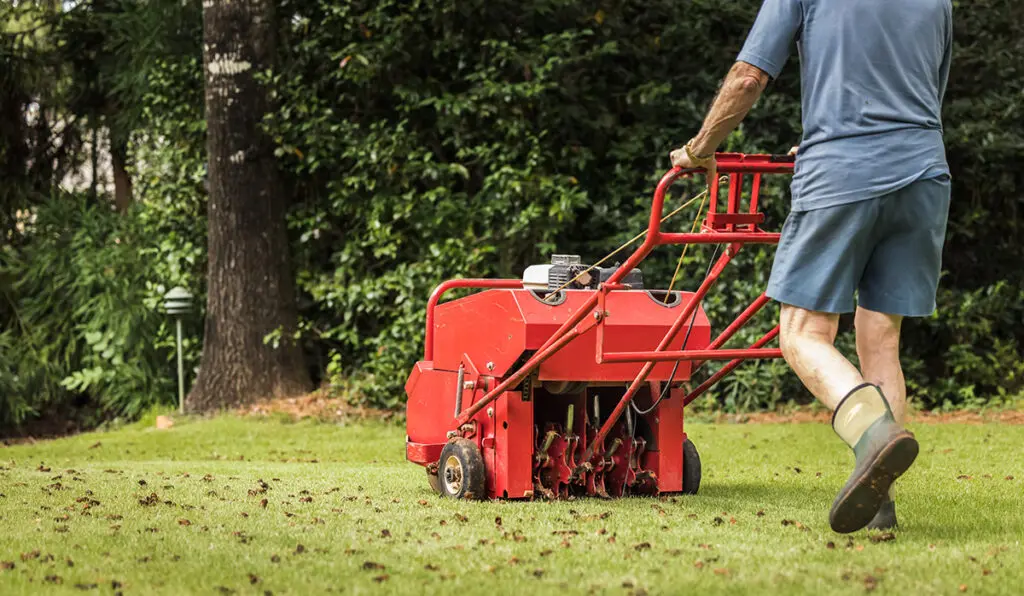
Core aeration removes small plugs of soil from your lawn, reducing compaction and improving airflow, water movement, and nutrient absorption. In Lancaster County and throughout Central PA, compacted soils are common due to clay content, foot traffic, and seasonal moisture swings. When soil is compacted, grass roots struggle to grow deep, and seed and fertilizer often stay near the surface where they’re less effective.
Aeration holes change that. These openings act as direct channels into the soil profile, allowing grass seed to settle where it can germinate and allowing fertilizer to reach the root zone instead of washing away. That’s why aeration and overseeding are often paired together. This window is one of the best opportunities to thicken thin lawns, improve density, and strengthen turf before stressful weather arrives.
Rather than treating aeration, seeding, and fertilizing as separate tasks, homeowners should think of them as one complete lawn renovation after aeration. The goal is simple: maximize seed-to-soil contact and nutrient-to-root contact while conditions are ideal.
Signs Your Lawn Needs Seeding and Fertilizer After Aeration
Not every lawn needs the same follow-up after aeration. Some lawns only need a boost in nutrients, while others require new grass plants to fill in thinning areas. Clear signs indicate when overseeding after aeration, fertilizing after aeration, or both are necessary.
Thin turf where soil is visible is one of the most obvious red flags. Bare patches often show up near sidewalks, driveways, dog paths, and other high-traffic areas. Pale green or yellowish color, even when the lawn is watered regularly, can indicate nutrient deficiencies. Weeds quickly filling open spaces are another warning sign that desirable grass isn’t dense enough to compete.
A tired lawn won’t always fail overnight, but without overseeding after aeration and proper feeding, it will continue to thin year after year. Acting immediately after aeration helps prevent another season of stress and decline and gives your lawn the best chance to recover.
How to Check If Your Lawn Needs Seed, Fertilizer, or Both
Homeowners don’t need special tools to evaluate their lawn after aeration. A few simple observations can guide the decision.
Bare-Spot and Density Check: Walk your lawn and note how much soil you can see between grass plants. If large areas of soil are visible, seeding after aeration should be a priority. The more exposed ground you see, the more benefit you’ll get from overseeding.
Color and Growth Check: Pay attention to lawn color and mowing frequency. If your grass looks light green and grows slowly even during the growing season, fertilizing after aeration is likely needed. Healthy turf should have consistent color and steady growth.
These quick checks help determine whether seed, fertilizer, or a balanced combination will deliver the best return on your effort and budget.
Best Conditions and Timing for Seeding & Fertilizing After Aeration
Timing plays a huge role in success, especially in Central PA lawn care. Cool-season grasses common in this region respond best when aeration, seeding, and fertilizing are done during favorable weather.
Early fall is typically the best window. Cooler air temperatures, warm soil, and more consistent rainfall create ideal conditions for seed germination and root growth. Spring can also work, but weed pressure and summer heat make fall the preferred choice.
Always work when soil is moist but not muddy. Avoid seeding during extreme heat or drought stress, as young seedlings are easily damaged. When fertilizing, choose a starter fertilizer for new grass, not a weed-and-feed product. Starter fertilizers support root development without harming emerging seedlings.
Label your seed and fertilizer before application so you know which goes down when. In most cases, the best time to overseed lawn areas is within a few days of aeration while the holes are still open and receptive.
How to Apply Seed and Fertilizer After Aeration
So, should you fertilize or seed first after aeration? Most lawn care professionals recommend seeding first, followed by a starter fertilizer. This order allows grass seed to settle into aeration holes, then receive nutrients immediately to support germination and early growth.
Use a broadcast or drop spreader to apply seed evenly across the lawn. Follow label rates carefully as overloading seed can cause overcrowding, while too much fertilizer can burn young grass. After seeding, apply the starter fertilizer using the same spreader, again following label directions.
Lightly raking or dragging the lawn helps improve seed-to-soil contact without burying the seed too deeply. Success doesn’t come from rushing or applying everything at once. It comes from proper coverage, correct timing, and attention to detail.
Tips to Maintain Results After Aeration, Seeding & Fertilizing
Post-aeration lawn care is just as important as the application itself. Without proper maintenance, even the best seeding and fertilizing efforts can fall short.
Keep the top layer of soil lightly moist during germination. This usually means short, frequent watering cycles, especially when watering new seed after aeration. Once seedlings establish, transition to deeper, less frequent watering to encourage strong root growth.
Delay mowing until new grass reaches the recommended height for its variety. Cutting too soon can pull seedlings out of the soil. Use sharp mower blades and avoid mowing when the lawn is wet. Hold off on most weed control products until seedlings are mature, as many herbicides can damage young grass.
Careful post-aeration lawn care protects your investment and sets the stage for a thicker, healthier lawn next season.
When to Call a Lawn Pro After Aeration
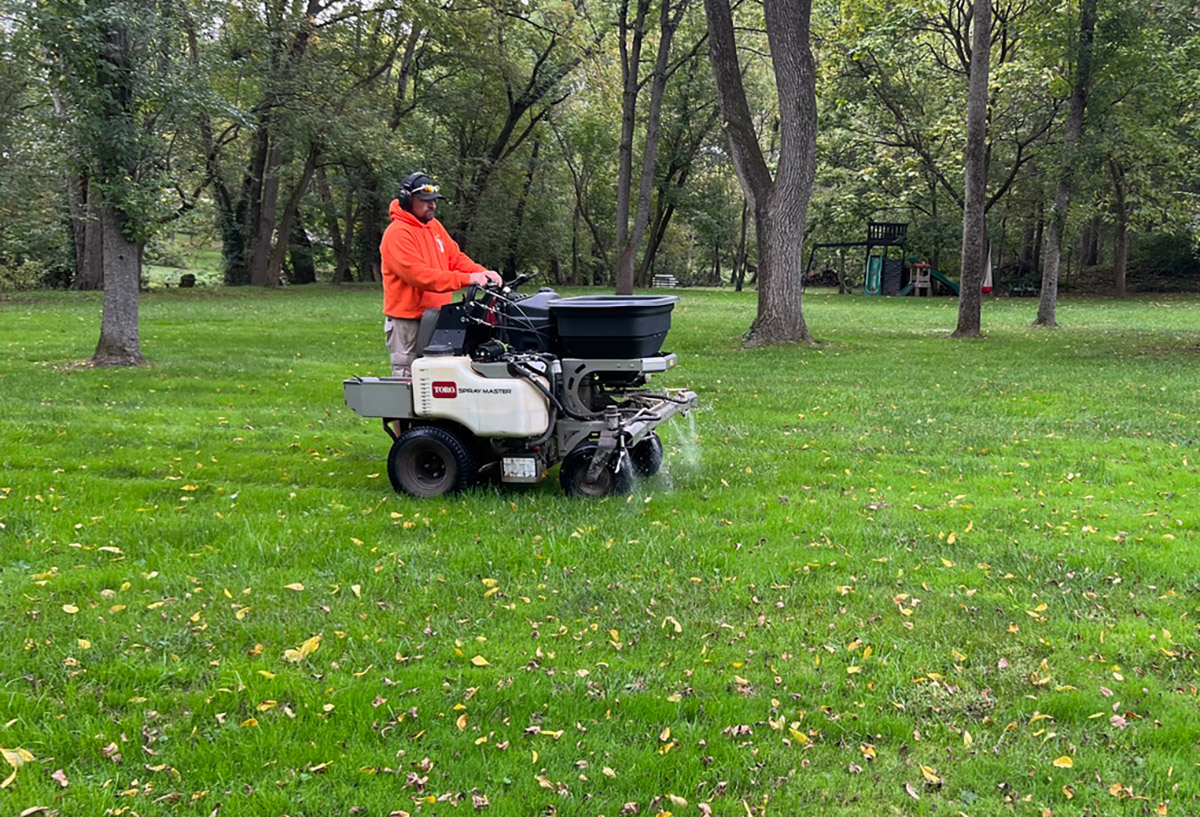
DIY overseeding can work, but it isn’t always the best option. Large or steep lawns are difficult to seed evenly without professional equipment. Confusion about seed types, fertilizer blends, or spreader settings often leads to uneven results. If previous DIY overseeding attempts have failed, it may be time for expert help.
Professional overseeding services and lawn fertilization services from JHL Turf Pros help Central PA homeowners achieve predictable, consistent results with far less trial and error. Professionals understand local soil conditions, grass varieties, and seasonal timing that homeowners often miss.
Trust JHL Turf Pros for Expert Aeration, Seeding & Fertilizing Advice
JHL Turf Pros is a trusted local provider of Central PA lawn care, specializing in customized aeration, seeding, and fertilizing plans. Our team understands Lancaster County soils, seasonal challenges, and what it takes to build durable turf. We offer bundled services and seasonal maintenance programs designed to improve root depth, color, and overall lawn resilience year after year.
Want a Simple Plan After Aeration?
Not sure whether to fertilize or seed first after aeration? Contact JHL Turf Pros to schedule a lawn evaluation and receive a customized post-aeration plan. We’ll help your lawn fill in thicker, greener, and more even without the guesswork.