
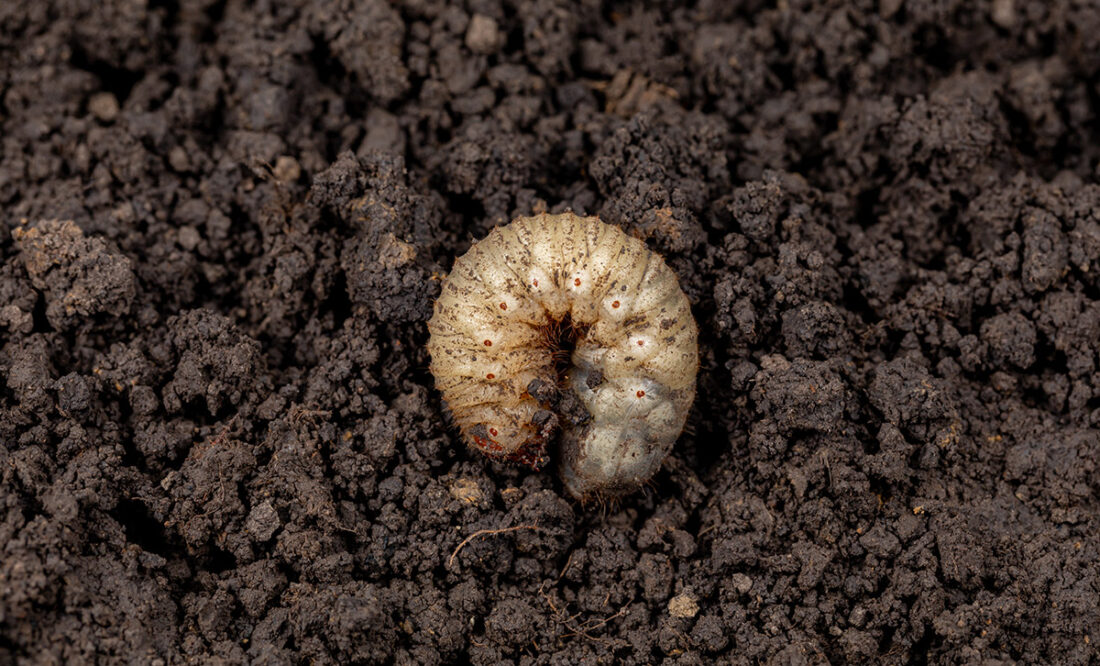
Learn how to treat grubs in lawn areas safely and effectively. See what grubs are, signs of damage, and when to apply grub control from JHL Turf Pros.
How to Treat Grubs in Your Lawn and Protect Your Grass
Grubs can quietly destroy your lawn from below the surface, often before homeowners realize there’s a problem. These underground pests feed on grass roots, weakening turf and causing brown, patchy areas that won’t bounce back. Learning how to treat grubs in lawn areas starts with understanding what grubs are, how to tell if you have grubs, and which treatments actually work. Below, we’ll walk through simple steps, safe options, and proven grub control tips to protect your grass.
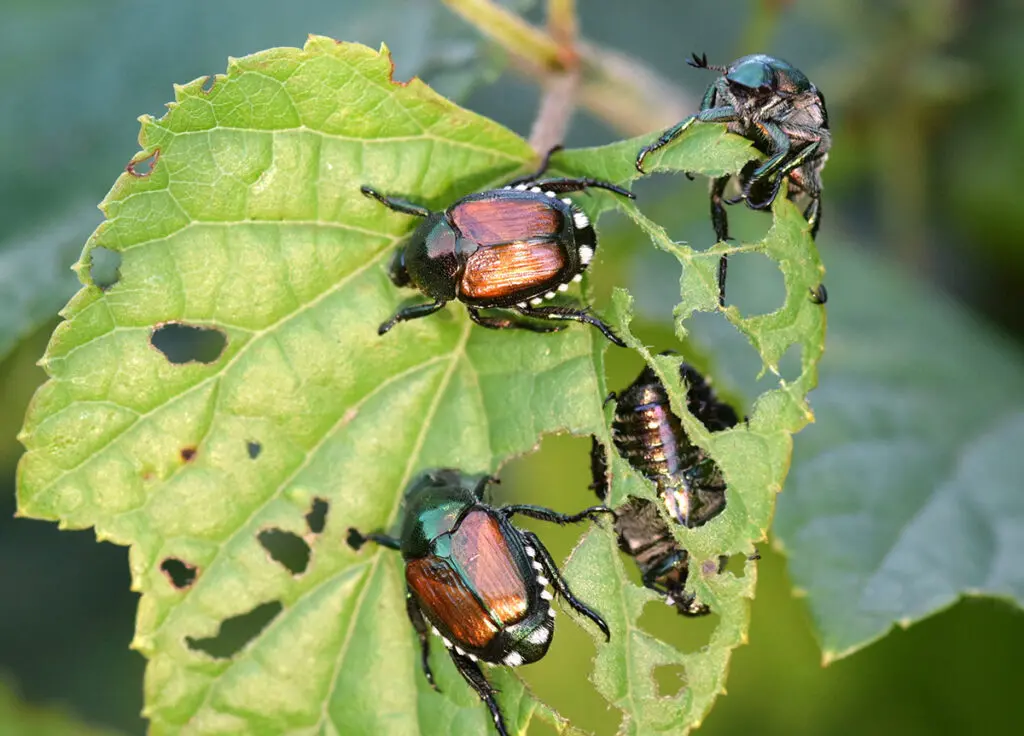
What Are Grubs and What Do They Do to Your Lawn?
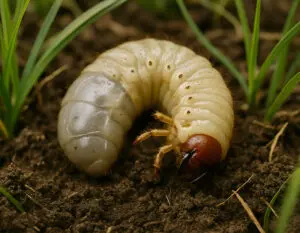
Grubs are the C-shaped, white larvae of beetles such as Japanese beetles and June bugs. When people ask what are grubs, they’re usually referring to these soft-bodied insects that live in the soil. What do grubs look like? Most are about ½ to 1 inch long with brown heads and curled bodies. Eventually, what do grubs turn into are adult beetles that lay more eggs. Grubs come from beetles laying eggs in turf during summer. Once hatched, grubs feed on grass roots, weakening lawns from the ground up. This makes grubs a root-level problem—not just a surface issue.
How to Tell If You Have Grubs in Your Lawn
Knowing how to tell if you have grubs can save your lawn from serious damage. Common signs of grub damage in lawn areas include brown or wilted patches that don’t improve with watering. Grass may pull up easily like loose carpet because roots have been eaten. You may also notice skunks, raccoons, or birds digging for food. Turf can feel spongy in late summer or early fall. While grub worms in lawn areas won’t kill grass overnight, they cause thinning turf and invite weeds if left untreated.
Easy Ways to Check for Grubs in Your Soil
Confirming a grub problem is simple. A square-foot dig test involves cutting and lifting a 1 ft × 1 ft piece of sod and counting grubs underneath. More than 5–10 grubs per square foot usually means it’s time to consider how to get rid of grubs. You can also use a shovel or soil probe to inspect several spots, comparing damaged and healthy areas. These quick checks help determine when to apply grub control and prevent misdiagnosing the issue as drought or disease.
Best Lawn Conditions to Prevent and Control Grubs
Strong lawn care practices make grub control for lawns more effective. Maintain a healthy, well-fed lawn with proper fertilization and mowing height. Avoid compacted soil, heavy thatch buildup, and frequent overwatering, which can attract egg-laying beetles. Instead of broad insecticides, use targeted grub control products only when needed. Aeration and overseeding encourage deeper roots and thicker turf. Always label grub treatments with dates and instructions. Healthy lawns can tolerate minor grub activity without major damage.
How to Treat Grubs in Lawn Safely and Effectively
The most effective way to learn how to treat grubs in lawn areas is understanding timing and product choice. Most grub control products work best when applied mid- to late summer, depending on the label. Homeowners looking for how to get rid of grubs organically can consider beneficial nematodes or biological controls. Always follow label directions and water treatments properly. Success depends on correct timing, even coverage, and using the right product—not just the strongest chemical available.
Tips to Keep Grubs from Coming Back
Preventing future infestations is just as important as treatment. Stick to a consistent lawn care routine with proper mowing and fertilization. Avoid overwatering, which encourages beetles to lay eggs. Repair damaged areas quickly with overseeding so bare soil isn’t exposed. Monitor problem spots each year with quick dig tests. Long-term lawn health is one of the best defenses against recurring grub problems and helps reduce the need for repeated treatments.
When to Call a Lawn Pro for Grub Control
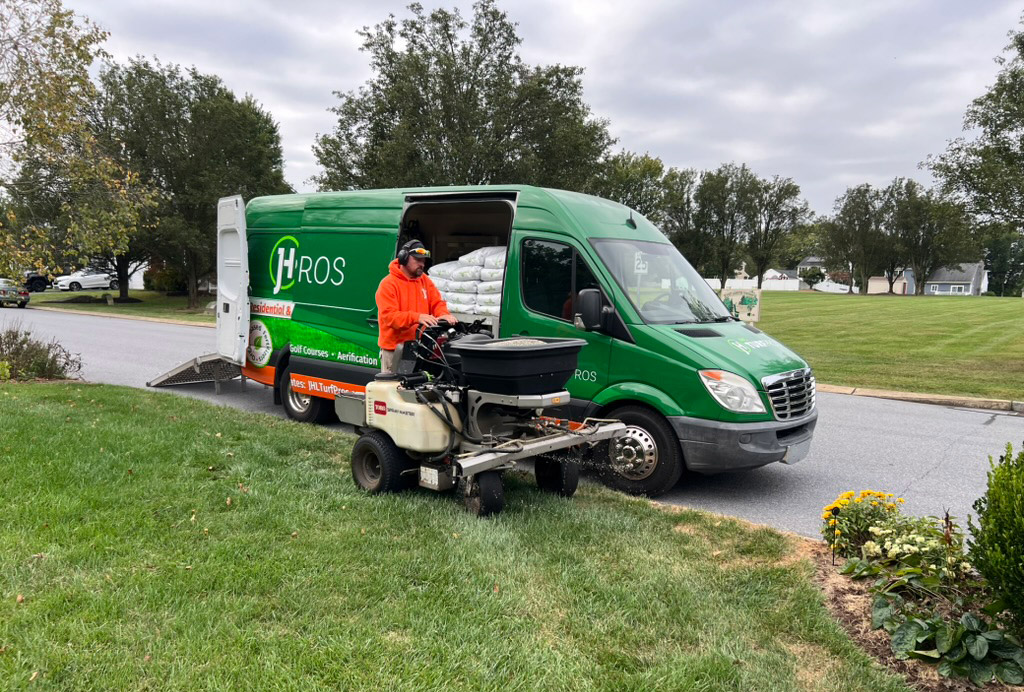
Professional help is often the best option when damage is widespread or large sections of turf pull up easily. If you’re unsure which products are safe—or wondering are grub worms dangerous for pets or kids—a lawn pro can help. Professional grub control services ensure proper timing, safe applications, and follow-up care to restore your lawn efficiently and safely.
Trust JHL Turf Pros for Expert Grub Control & Lawn Pest Advice
JHL Turf Pros provides trusted lawn pest control in Central PA, including grub control services tailored to local conditions. Their experienced team helps protect grass roots, improve turf recovery, and strengthen overall lawn health. From inspections to overseeding and long-term lawn care, JHL Turf Pros keeps lawns looking their best season after season.
Ready to Get Rid of Grubs for Good?
Suspect grubs are damaging your lawn? Schedule a grub inspection and customized treatment plan with JHL Turf Pros. Stop the damage, repair thin spots, and enjoy a healthier, greener yard again. Request your grub control quote today and take the first step toward lasting lawn protection.