

Many homeowners start searching how to get rid of moss in lawn or how do you get rid of moss on grass when soft, green patches begin to spread. While moss in lawn areas can look harmless, it’s a sign something isn’t right. Moss thrives where grass struggles. In this guide, we’ll cover what causes moss, how to remove it safely, and how to help your grass reclaim those problem spots. Taking the time to understand the issue now can save you from larger lawn repair costs later.
What Causes Moss in Lawns (and Why It Loves Your Yard)
Understanding what causes moss in lawn areas is the first step to solving it. Moss thrives in shady, damp, and low-fertility conditions where grass can’t compete. Unlike grass, moss doesn’t have true roots—it spreads across the soil surface and absorbs moisture directly.
Compacted soil, poor drainage, and low soil pH all create an environment where moss vs grass becomes an unfair fight. If your lawn stays wet or lacks nutrients, moss will take advantage. Simply removing moss won’t fix the issue unless you also address the underlying conditions that allowed it to grow. Long-term lawn health depends on correcting these imbalances.
Signs Moss Is Taking Over Your Lawn
Moss in lawn areas often starts small but can quickly spread. You may notice bright green, spongy patches forming in shaded or damp spots. Grass in these areas begins thinning while moss thickens.
Other signs of moss in lawn include patches that stay wet long after rain and bare areas that appear when moss dries out in heat. While moss won’t kill grass overnight, it gradually crowds it out, leaving your yard thin and uneven. Acting early can prevent costly repairs later and make lawn restoration much easier.
Simple Ways to Check Why Moss Is Growing
Before jumping into moss control for lawns, it helps to diagnose the cause. Start with a sunlight check—observe how much direct sun the area gets throughout the day. If it’s less than a few hours, you may need shade lawn solutions instead of relying only on treatments.
Next, check your soil. Dig a small section to see if it’s compacted or holding too much moisture. Poor drainage is a major contributor to moss growth. Testing your soil pH can also help; if it’s too acidic, you may need to raise soil pH moss struggles to tolerate. These simple checks guide smarter, long-term fixes and prevent repeat problems.
Best Conditions to Remove Moss and Help Grass Recover
Timing matters when tackling moss. The best conditions for moss control for lawns are cool, slightly damp days when moss is easier to remove without damaging turf. Avoid working on frozen, overly soggy, or extremely dry soil.
Use raking or scarifying moss rather than aggressive scraping, which can harm your lawn. Address lawn drainage problems by adding soil amendments or making small grading adjustments. In shaded areas, trimming back trees or shrubs can make a big difference. Proper preparation ensures your efforts lead to lasting results and healthier turf growth.
How to Get Rid of Moss in Lawn Areas Step by Step
If you’re ready to act, here’s a simple process for how to get rid of moss in lawn areas:
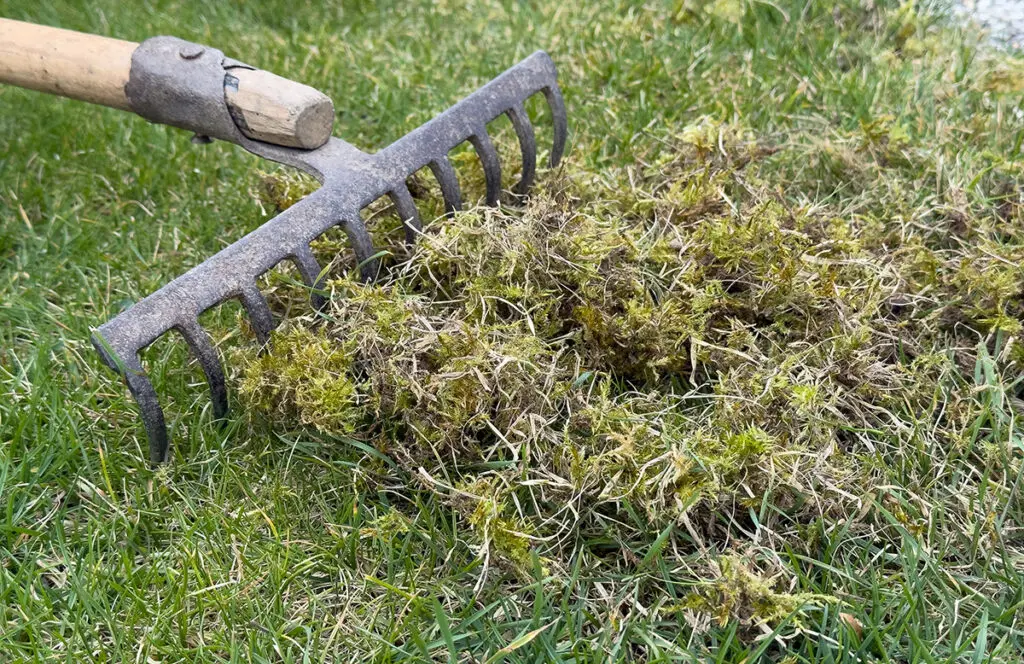
Start by learning how to rake out moss using a stiff rake or dethatching tool. This removes the bulk of the moss layer. Next, apply a product designed to kill moss in lawn areas, following all label instructions carefully.
After treatment, lightly water the area if required. Once the moss is gone, overseed bare spots so grass can fill in and compete. Keep in mind that success depends on fixing the root causes—shade, moisture, and soil conditions—not just removing moss once. Consistent follow-up care is key to long-term success.
Tips to Keep Moss from Coming Back
Preventing moss in lawn areas requires ongoing care. Increase sunlight where possible by pruning trees and shrubs. Improve airflow and reduce moisture buildup.
Fix lawn drainage problems with aeration, soil amendments, or minor grading. Adjust your mowing height based on your grass type and shade conditions to keep turf healthy. Overseeding after moss removal helps thicken your lawn, making it harder for moss to return.
Learning how to prevent moss in lawn areas is about consistency. Each improvement you make strengthens your lawn over time and builds resilience against future issues.
When to Call a Pro for Moss Problems
Sometimes DIY methods aren’t enough. If moss dominates large areas or your grass is barely present, professional help may be the best option. Complicated shade and drainage issues can be difficult to diagnose without experience.
If moss keeps returning despite your efforts, professional moss removal lawn services can provide a more complete solution. A full lawn renovation approach may be needed to restore healthy turf and correct underlying problems.
Trust JHL Turf Pros for Expert Moss & Lawn Care Advice
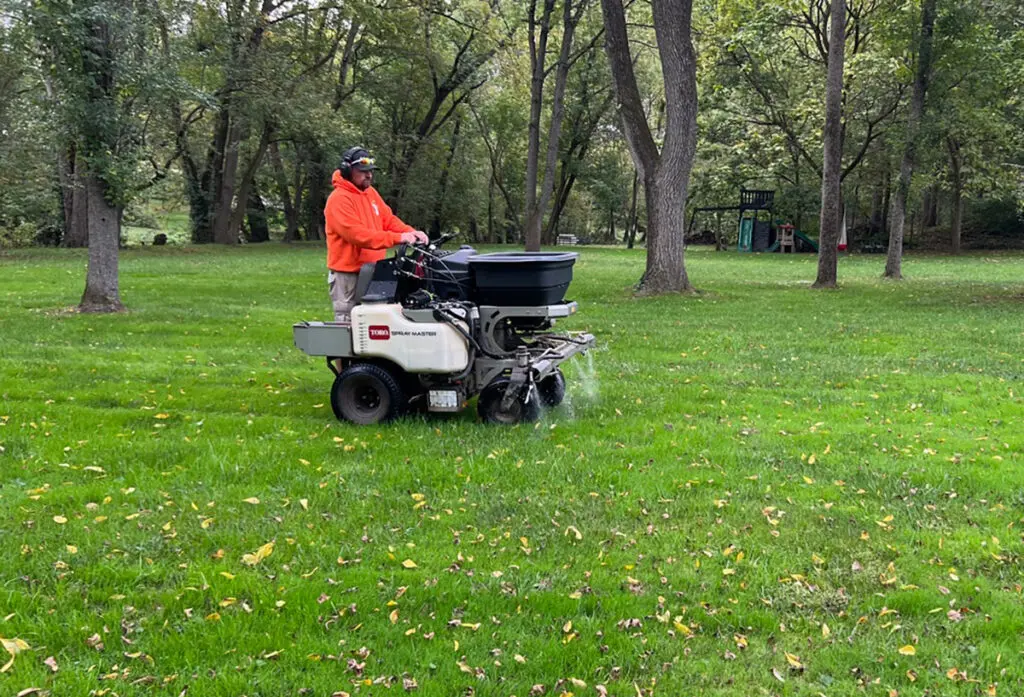
JHL Turf Pros specializes in tackling stubborn lawn issues like moss, weeds, and thinning grass across Central PA. Their team understands how soil, moisture, and sunlight work together—and how to correct imbalances.
From soil testing to drainage improvements and overseeding after moss removal, they create tailored plans that help grass thrive. With expert guidance, you can build a lawn where moss no longer has a place and enjoy a thicker, greener yard year-round.
Ready to Take Back Mossy Spots in Your Lawn?
Seeing moss creep across your yard? Schedule a moss lawn evaluation with JHL Turf Pros and get a step-by-step plan to remove moss, repair thin areas, and restore healthy grass. Get your moss control quote today and start reclaiming your lawn.