
Learn how to fertilize your lawn step by step. Get simple timing, product, and application tips from JHL Turf Pros to grow a thick, green lawn in Central PA.
How to Fertilize Your Lawn for Thick, Green Grass
Fertilizing is one of the most important steps in creating a thick, green lawn, yet many homeowners in Lancaster County either skip it altogether or apply too much at the wrong time. Knowing how to fertilize lawn areas correctly is essential for long-term turf health. When fertilizers are applied improperly, grass can burn, thin out, or grow unevenly. On the other hand, well-applied fertilizers paired with smart lawn care practices help lawns thrive season after season.
This guide explains lawn fertilization the simple way, including when to apply fertilizer, which products work best, and how to spread them properly so Central PA lawns stay healthy all year long. Whether you’re new to lawn care or looking to improve results, these steps will help you build stronger roots and greener grass.
What Lawn Fertilizer Does and Why It Matters
Lawn fertilizer supplies essential nutrients that grass can’t always get from soil alone. Over time, mowing, rainfall, and foot traffic deplete soil nutrients, leaving grass stressed and vulnerable. Most fertilizer bags list three numbers, known as N-P-K. Nitrogen promotes green color and blade growth, phosphorus supports root development, and potassium improves stress tolerance and disease resistance.
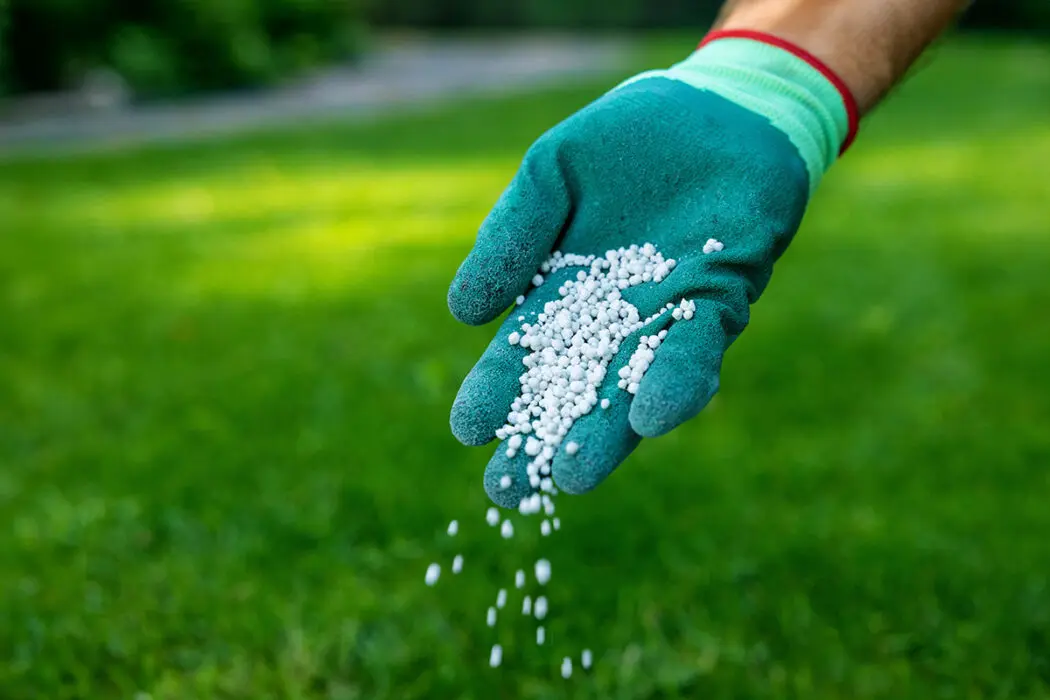
Granular lawn fertilizer releases nutrients slowly, making it ideal for long-term feeding. Liquid lawn fertilizer works faster but doesn’t last as long, which is why it’s often used for quick color improvement. Understanding how and when applied fertilizers release nutrients helps prevent runoff, patchy growth, and wasted product. Proper lawn fertilization supports thicker turf that naturally crowds out weeds and resists damage.
How Often to Fertilize and When Through the Year
For cool-season grasses common in Central PA, such as Kentucky bluegrass, fescue, and ryegrass, a simple fertilizer schedule works best. Most lawns benefit from three to four feedings per year. Spring applications encourage early growth, while fall fertilization strengthens roots before winter.
Over-fertilizing can cause rapid top growth at the expense of roots, increase thatch buildup, and stress turf during summer heat. Shade, soil type, lawn use, and irrigation habits all influence how often to fertilize lawn areas. That’s why professional lawn care programs often adjust fertilizer timing based on property conditions. While missing a feeding won’t destroy your lawn, consistent applications of properly applied fertilizers lead to faster, more noticeable improvements.
Signs Your Lawn Needs Fertilizer Now
Your lawn often shows visible signs when nutrients are running low. A pale or yellow-green color, even with proper watering, is a common indicator. Slow growth and fewer clippings after mowing may signal nitrogen deficiency. Thin areas where weeds invade or grass struggles to recover from foot traffic, pets, or drought are also warning signs.
Nutrient-poor lawns don’t fail overnight, but they steadily weaken. Without timely lawn care and fertilization, grass becomes less resilient to heat, disease, and weeds. Addressing these signs early (before summer stress or heavy seasonal use) helps protect turf health and appearance.
How to Test Your Soil and Choose the Right Fertilizer
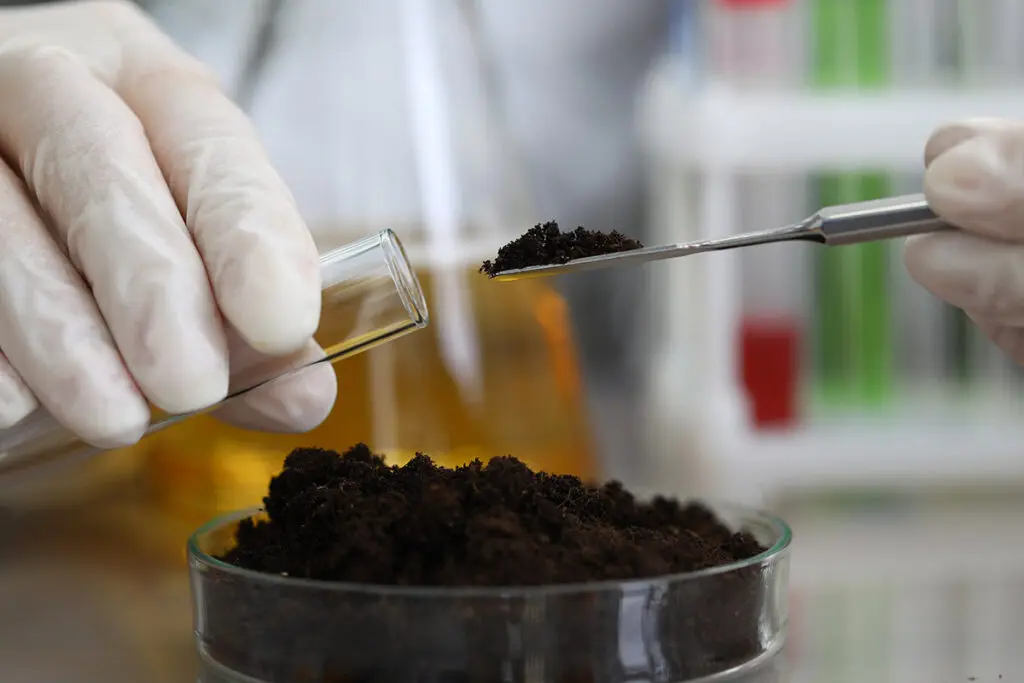
A soil test removes the guesswork from lawn care. You can send a soil sample to a lab or use a home testing kit to measure nutrient levels and lawn soil pH. Results tell you exactly what your lawn needs, and what it doesn’t, so you avoid over-applying fertilizers that won’t help.
Once you have results, choose products that match your lawn’s needs. Slow-release lawn fertilizer supports steady growth over time, while starter fertilizer for grass is best for new lawns or overseeded areas. Matching fertilizer selection with soil data ensures applied fertilizers are working efficiently, supporting healthier lawns with less waste.
Best Conditions for Fertilizing Lawns in Central PA
Timing and environmental conditions matter just as much as fertilizer choice. Always fertilize when grass is actively growing – not dormant. Cool mornings or evenings are ideal, especially during warmer months. Avoid fertilizing during drought, extreme heat, or on frozen ground.
After applying granular fertilizer, water lightly unless the label states otherwise. This helps move nutrients into the soil without washing them away. Proper storage and labeling of fertilizers also matter for safety and consistency. Choosing the best time to fertilize lawn areas plays a major role in eco-friendly lawn care throughout Central Pennsylvania.
Step-by-Step: How to Fertilize Your Lawn
Start by measuring your lawn’s square footage so you can apply the correct amount of fertilizer. Over-application is one of the most common lawn care mistakes and can lead to burned grass or uneven growth. Set your lawn spreader to the exact setting listed on the fertilizer bag and never guess.
Apply fertilizer by walking in straight, overlapping-free passes, placing each pass directly next to the previous one. This method ensures even coverage without striping. Avoid overlapping, as too much fertilizer in one area causes visible lines and stressed turf. After spreading, sweep any fertilizer from sidewalks or driveways back onto the grass to protect storm drains and waterways. Successful lawn fertilization comes from accuracy, not excess.
Tips to Keep Fertilizer Working Its Best
Fertilizer performs best when combined with smart lawn care habits. Mow at the proper height to protect roots and retain moisture. Water deeply and infrequently once nutrients are in the soil. Avoid frequent, light fertilizer applications that stress turf rather than strengthen it.
Pair lawn fertilization with overseeding if your lawn is thin or patchy. Aeration also improves how applied fertilizers reach the root zone. These lawn care tips focus on long-term turf health, helping you maintain a dense, green lawn instead of chasing short-lived results.
When to Hire a Lawn Pro for Fertilization
Professional lawn fertilization services is a smart choice for larger properties or lawns with multiple soil conditions. If yellow patches or thinning persist despite DIY efforts, expert support can save time and money. Confusion over fertilizer products, soil test results, or seasonal timing is another sign it’s time to call a pro.
JHL Turf Pros offers customized Central Pennsylvania lawn care programs that take the guesswork out of fertilization. With professional-grade products and precise application methods, homeowners see more consistent, predictable results.
Trust JHL Turf Pros for Expert Lawn Fertilizer Advice
JHL Turf Pros is a trusted local provider of Central PA lawn care, serving Lancaster County with proven fertilization strategies. From soil testing to seasonal fertilizer plans, our team understands how applied fertilizers interact with local soil and climate conditions. Ask about bundled lawn care services like fertilization, aeration, and overseeding to simplify maintenance and improve results year after year.
Ready for a Fertilizer Plan That Works?
Tired of guessing how to fertilize your lawn? Schedule lawn fertilization with JHL Turf Pros and receive a customized plan designed for your Central PA property. Request a lawn care quote today and enjoy a thick, healthy, green lawn. Without the stress or uncertainty.