
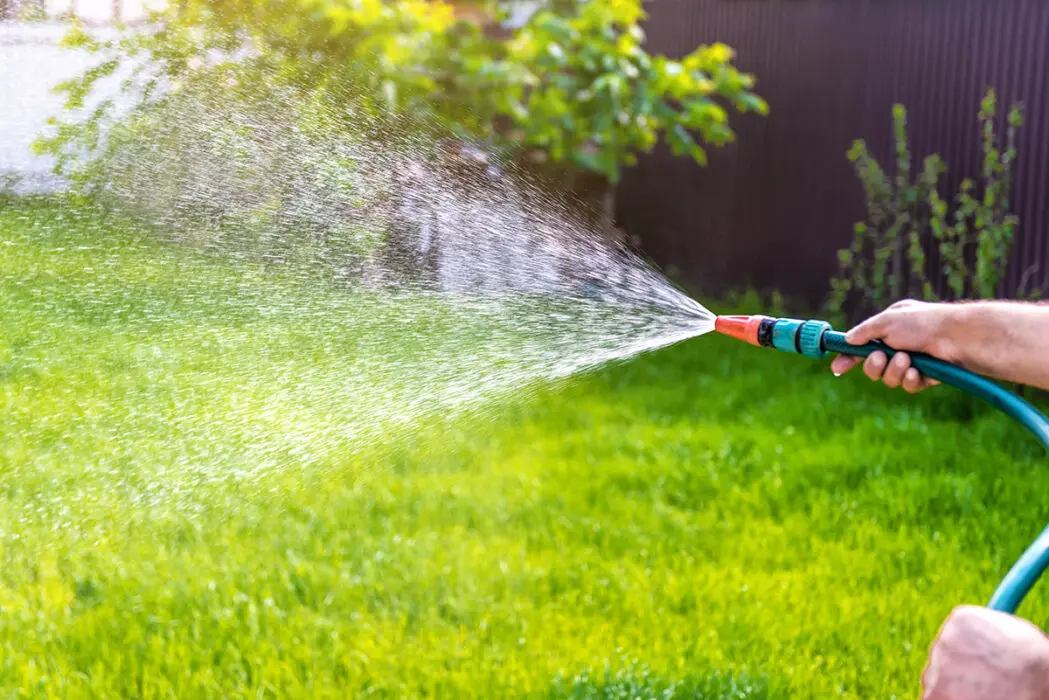
You want a thick, lush lawn. It all starts with how often to water grass seed and how steady you keep the moisture.
New grass seed must stay damp for the germination process to finish. The soil should never stay soaked or bake bone dry. When you follow a smart grass seed watering schedule you help roots push down and grass plants spread across bare spots.
In this guide you will learn how often to water grass seed, how many times a day to water, and how to grow grass from seed in real Lancaster PA conditions. You will see simple tests, a clear watering schedule, and lawn care tips you can use in every lawn area around your home.
Why Watering Frequency Matters for New Grass Seed
Watering frequency is the number one factor in grass seed germination. New seed needs frequent watering in light amounts so the top inch of soil never dries out. That steady moisture wakes the seed and starts the germination process.
In Lancaster County we deal with clay heavy soil types in many neighborhoods. Clay soil holds water longer than sandy soil. That sounds helpful at first. It also means the surface can turn soggy fast if you water grass too long in one run. Overwatering can float seed away, cause runoff into sidewalks, and invite fungus.
Underwatering creates the opposite problem. The seed coat never fully softens. Tiny roots dry up before they grab the soil. You see patchy grass seed germination instead of a solid carpet of green. When you understand watering frequency you avoid wasting time and money when you plant grass seed. During the first two weeks check your lawn areas at least once a day and adjust the amount of watering before problems build up.
Signs You Are Overwatering or Underwatering Grass Seed
Your yard will show you when your watering schedule is off. You only need to watch for a few simple signs.
Overwatered grass seed signs include puddles after each cycle and a soft, mushy surface that stays wet for hours. You may see seed collect in lines at the low spots. Mold or green algae on the soil surface is another warning that frequent watering or long cycles keep the soil too wet. That slows grass seed germination and can rot young roots.
Underwatered seed symptoms look different. Soil may crack between waterings, especially in hot and dry weather. The color shifts from dark brown to pale tan. Only a few sprouts appear in each spot while other seeds stay dormant. That leads to uneven grass germination and thin lawn areas that never seem to fill in. Fix these lawn moisture problems early. Adjust your watering schedule before you start mowing so your lawn does not thin out later.

How to Check Soil Moisture for Grass Seed (Simple Methods)
You do not need gadgets to run a soil moisture test. Two quick checks tell you if you water grass the right amount.
Start with the Finger Depth Test. Push a finger 1 to 2 inches into the soil in several lawn areas. The soil should feel cool and damp, but not slimy or soupy. If thick mud sticks to your finger you are probably watering new grass too much. If the soil feels hard and dusty you need more frequent watering or longer cycles.
Next use the Paper Towel Press Test. Lay a paper towel flat on the seeded soil. Press it gently so it makes full contact. The towel should pick up light moisture, not turn dripping wet. If the towel stays almost dry you are not giving enough water for healthy grass seed germination. Use these seed germination checks every few days during the first 10 to 14 days to keep moisture in the safe zone.
Proper Conditions for Watering and Caring for Grass Seed
Timing, tools, and soil types all matter when you plan how often to water grass seed. The best time to water grass seed is early morning and early evening. The air is cooler. Less water evaporates. Your lawn has time to absorb moisture before mid day sun hits. In hot and dry stretches you may need extra light cycles.
Use a gentle lawn sprinkler instead of a strong hose jet. A soft shower or fine mist setting spreads water without blasting seed out of place. If you have a sprinkler system mark new seed zones clearly. Set shorter run times in those zones so the amount of watering stays light but frequent. A simple timer helps you stick to two or three times a day without guessing.
Think about slopes and shady areas too. Slopes dry out faster, so they may need an extra quick cycle. Shady areas in Lancaster backyards often stay damp longer, especially near trees or fences. Level seed beds make life easier because water soaks in evenly. When you match your watering schedule to your soil types and site conditions you create proper watering conditions for strong root growth and long term lawn care success.
How Often to Water Grass Seed and Establish New Lawns
Here is the part most homeowners want first. During early germination you should water new grass seed lightly two to three times a day. Each cycle should keep the top half inch of soil damp, not flooded. Think short pulses instead of long soakings. This approach works whether you use a hose, a lawn sprinkler, or a full sprinkler system.
Once you see green sprouts across most of the area you can reduce the number of times a day you water. Shift to one deeper watering each day. The water should reach about 3 to 4 inches deep in the soil. After 3 to 4 weeks you can move to a regular lawn watering routine. At that point most cool season lawns in Lancaster PA should receive about 1 to 1.5 inches of water per week from rain and irrigation combined.
Remember that different grass types behave in different ways. Kentucky bluegrass often takes 14 to 21 days to sprout and needs careful, frequent watering at the surface. Perennial ryegrass can sprout in 7 to 10 days and likes steady moisture. Tall fescue and fine fescue usually need 10 to 14 days and handle heat a bit better once roots are deeper. Warm season options like zoysia prefer heat and need less water grass once established, but the seed still needs constant moisture while it sprouts.
Tips to Improve Grass Seed Germination and Moisture Retention
You can give new seed a big head start before you even water grass the first time. Begin by loosening the surface with aeration or light raking so roots can move down. Then plant grass seed at the right rate for your mix. Too much seed can compete for limited moisture and light. Too little seed can leave bare spots that weeds love.
Cover seed with a thin layer of straw mulch, compost, or a commercial seed blanket. These materials hold moisture near the seed and reduce erosion from wind and rain. Leave some soil visible so sunlight can reach the seed. Avoid foot traffic in these areas during the first month while grass plants are small and tender. Even a few steps can crush young shoots and slow the germination process.
Stick with a steady watering schedule while new grass plants fill in. Do not swing between heavy soaking and long dry gaps. Consistent lawn watering methods, paired with the right fertilizer plan and mowing height, lead to healthy grass growth for seasons to come in Lancaster PA.
When to Reduce Watering or Reseed Patchy Areas
At some point you must ease off frequent watering and focus on root depth. When most sprouts reach about 1 inch tall you can reduce how often to water grass seed and start deeper, less frequent cycles. This helps roots chase water farther down which makes your lawn tougher in summer.
Watch the soil between cycles. If the surface stays wet for several hours you are using too much water. Shorten each run so the soil can breathe. If some patches do not sprout after about 21 days scrape back the surface and check for hard soil, washed away seed, or heavy shade. Then lightly loosen the soil and reseed bare spots. Restart a lighter watering schedule on those problem areas so they can catch up.
Quick action now saves you from a thin, uneven yard later. Early repairs keep your lawn thick before weeds move in.
Trust JHL Turf Pros for Expert Lawn Care Advice
Watering new grass and planning a full lawn care program can feel like guesswork. JHL Turf Pros helps Lancaster PA homeowners set up the right watering schedule, choose the right grass mix, and dial in soil health. We understand our local soil types, shady areas, and the way our weather jumps from cool to hot and dry.
Our lawn care experts can help you plant grass seed, adjust your sprinkler system, and fine tune how often to water grass seed in each part of your property. We also build fertilization and weed control plans that support new grass plants instead of stressing them. When you want professional lawn services that treat your yard like our own, we are ready to help.


Ready for a Thicker, Healthier Lawn?
If you still wonder how often to water grass seed for your specific yard, you do not need to figure it out alone.
Contact JHL Turf Pros today for lawn care services, grass seed watering help, and custom plans built for Lancaster PA lawns.