

Wondering how much grass seed you need for overseeding? Learn simple rates, calculations, and pro tips from JHL Turf Pros to avoid wasting seed and money.
How Much Grass Seed Do I Need for Overseeding My Lawn?
If you’re planning on overseeding a lawn, one of the first questions you’ll ask is: how much grass seed do I need? It’s a smart question. Using too much seed wastes money and can actually weaken new grass, while too little seed leaves thin, patchy results. In this guide, we’ll break down simple overseeding rates, explain how much grass seed per 1,000 sq ft you need, and show how to adjust based on your lawn’s condition.
How Grass Seed Rates Work for Overseeding
Grass seed rates matter because overseeding is different from starting a brand-new lawn. New lawn seeding rates are much higher, while overseeding rates are lighter and designed to thicken existing turf.
The grass type also affects how much grass seed per 1,000 sq ft you’ll use. For example, tall fescue generally needs more seed than Kentucky bluegrass. Seed bags list coverage in square footage, which helps guide planning.
Overseeding a thin lawn requires less seed than spot seeding bare patches. Many homeowners also use a grass seed calculator to double-check numbers. Start with recommended overseeding rate guidelines, not guesswork.
Signs You’re Using Too Much or Too Little Grass Seed
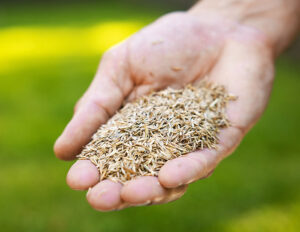
If your overseeding amount is off, your lawn will show it. Signs you’re using too much grass seed for overseeding include seed piled in clumps on the soil or poor airflow that leads to weak seedlings. Too little seed often looks like exposed soil with lots of space between sprouts.
Other red flags include birds treating your yard like a buffet and uneven germination with thick patches next to bare ones. Overseeding a lawn with the wrong amount won’t kill it, but it leads to wasted seed, uneven turf, and disappointing results. Adjust your rates next time for better coverage.
Easy Ways to Measure Your Lawn and Seed Coverage
You don’t need fancy tools to figure out how much grass seed you need.
- Measure-and-Multiply Method: Break your yard into simple rectangles. Measure length × width for each section, then add them together to get total square footage. This helps you apply the correct amount per 1,000 sq ft or per acre.
- Bag-Label Method: Compare your lawn’s square footage to the grass seed coverage chart on the bag. Adjust spreader settings for overseeding a lawn rather than bare soil.
Both methods remove the guesswork and get you closer to ideal coverage.
Best Conditions to Prepare Your Lawn for Overseeding
Even the right seed rate won’t work if the lawn isn’t ready. Start by mowing low, bagging clippings, and clearing leaves or debris. Compacted soil, heavy thatch, and soggy ground reduce success.
Lawn aeration and overseeding work especially well together because aeration opens the soil. Light dethatching or loosening the top ¼ inch improves seed-to-soil contact. A thin topdressing can also help.
Label seed bags with purchase dates and grass types, and remember that sunny and shady areas may need slightly different amounts of seed.
How to Apply Grass Seed Evenly When Overseeding
For large areas, use a broadcast or drop spreader; hand-spread only for small spots. Make two passes at half-rate in opposite directions for even coverage. Lightly rake after spreading so seed settles into the soil.
Successful overseeding isn’t about dumping extra seed. It’s about even coverage, good seed-to-soil contact, and proper watering after application.
Tips to Make Your Overseeding More Successful
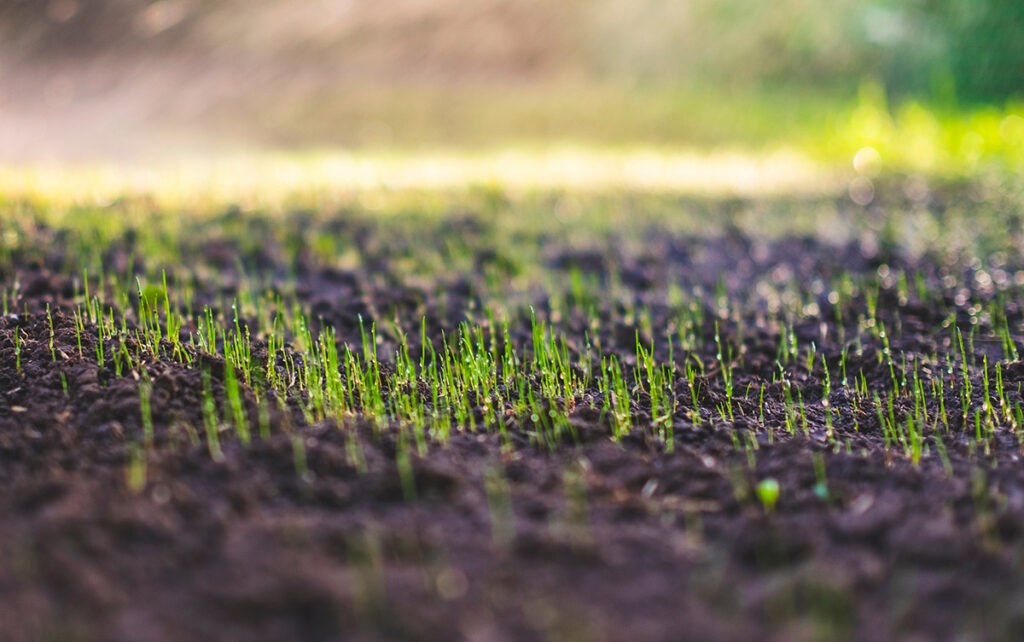
Keep the soil consistently moist with light, frequent watering until seedlings establish. Avoid heavy foot traffic in newly seeded areas. Choose a high-quality grass seed blend suited to your region and sun conditions.
Overseeding after aeration often improves germination and long-term density. With good prep and realistic expectations, your results will last well beyond the current season.
When to Call a Lawn Pro for Overseeding Help
Professional overseeding services make sense for large or uneven lawns, repeated overseeding failures, or confusion about how much grass seed you need for different areas.
A lawn pro ensures the right overseeding rates, timing, and aftercare, which leads to thicker, healthier turf without wasted seed.
Trust JHL Turf Pros for Expert Overseeding Advice
JHL Turf Pros helps Central PA homeowners dial in the right seed rates and overseeding plans for their specific lawns. By combining overseeding and aeration with proper fertilization, we help ensure even coverage, strong germination, and lasting results season after season.
Ready to Plan How Much Seed You Need?
Not sure how much grass seed you need for overseeding? Schedule a lawn evaluation with JHL Turf Pros and get a customized overseeding quote—so you use the right amount of seed and enjoy a fuller, greener lawn without the guesswork.